


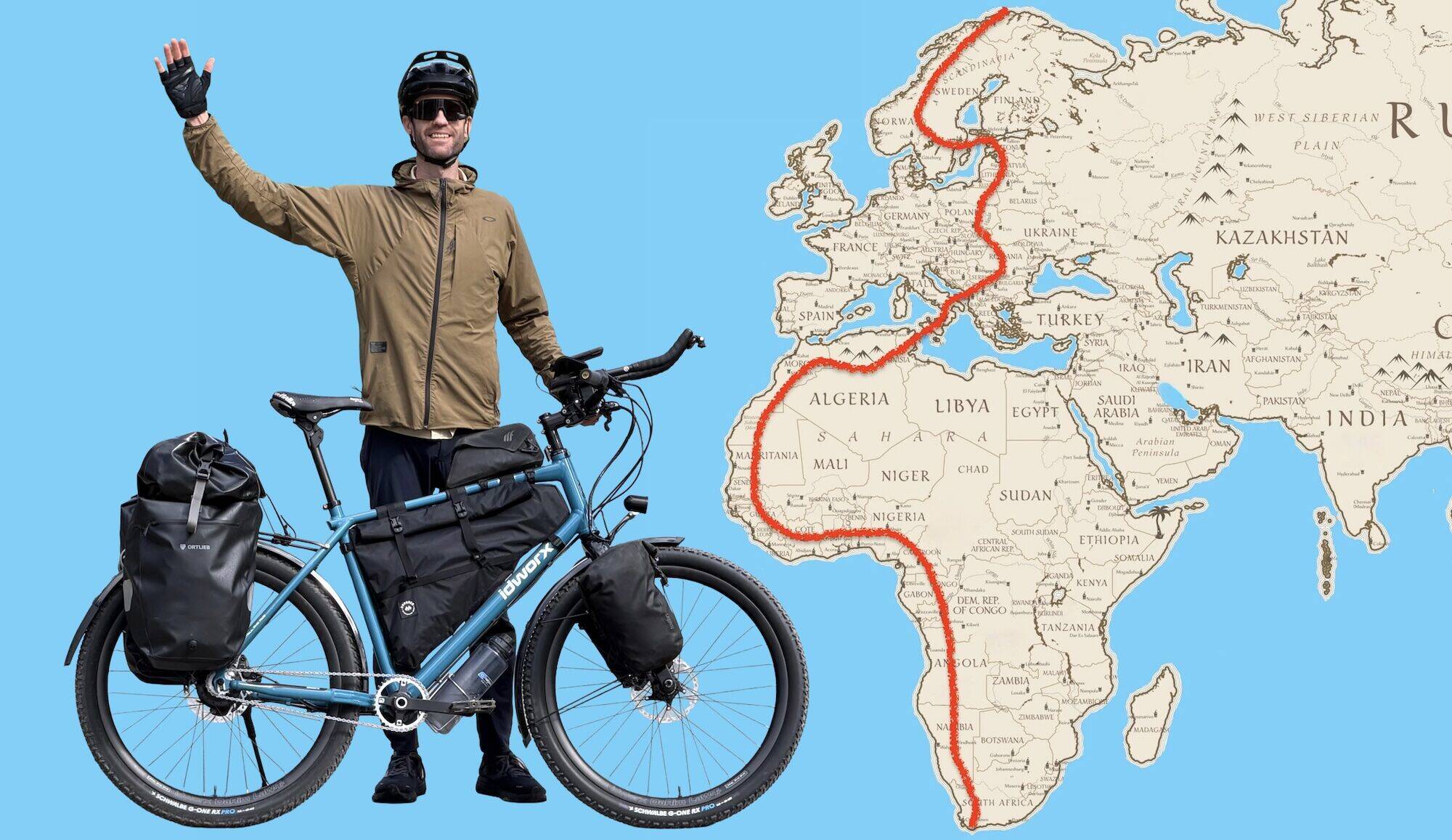
After three amazing years of bike touring across southern and eastern Africa, it’s time for a new adventure – one we’re calling Arctic2Africa.
Over the next few years, Laura and I will cycle from Europe’s northernmost reaches to Africa’s southern tip, crossing two continents, dozens of countries and an extraordinary variety of landscapes along the way. We’ve just rolled out, although preparations for this expedition have been underway for the past five months.
In this article, I’ll explain where we’re going, when we’ll be there, and how you can follow the journey. But before diving into the route itself, I think it’s worth explaining why, after spending three years exploring Africa by bicycle, I’m finally ready for a change.
Why I Needed a New Adventure
Just so you know, my passion for bike travel is as strong as ever. Honestly, I could see myself doing this for the rest of my life! But over the last year or two, I’ve found myself feeling a little directionless.
Part of that comes down to the fact that I haven’t been on a true point-to-point journey for a very long time. I haven’t had a distant destination thousands of kilometres ahead of me, with a clear sense that every day on the bike is bringing me one step closer. I’ve only recently realised just how much I miss that feeling.
When you’re trying to properly understand a country – its people, landscapes, history, and all the little nuances in between – you inevitably end up squiggling all over the place, connecting far-flung corners and following whatever roads, trails and opportunities come your way. I’ve been riding 1,500 km a month for the last five years through some absolutely incredible places, but I rarely get to see that progress reflected neatly on a map.
And that’s partly because Africa is a big ol’ place that requires a lot of squiggling. Most world maps make it look considerably smaller than it really is. The shortest distance between Africa’s westernmost and easternmost points is actually greater than the equivalent distance across the surface of Russia.
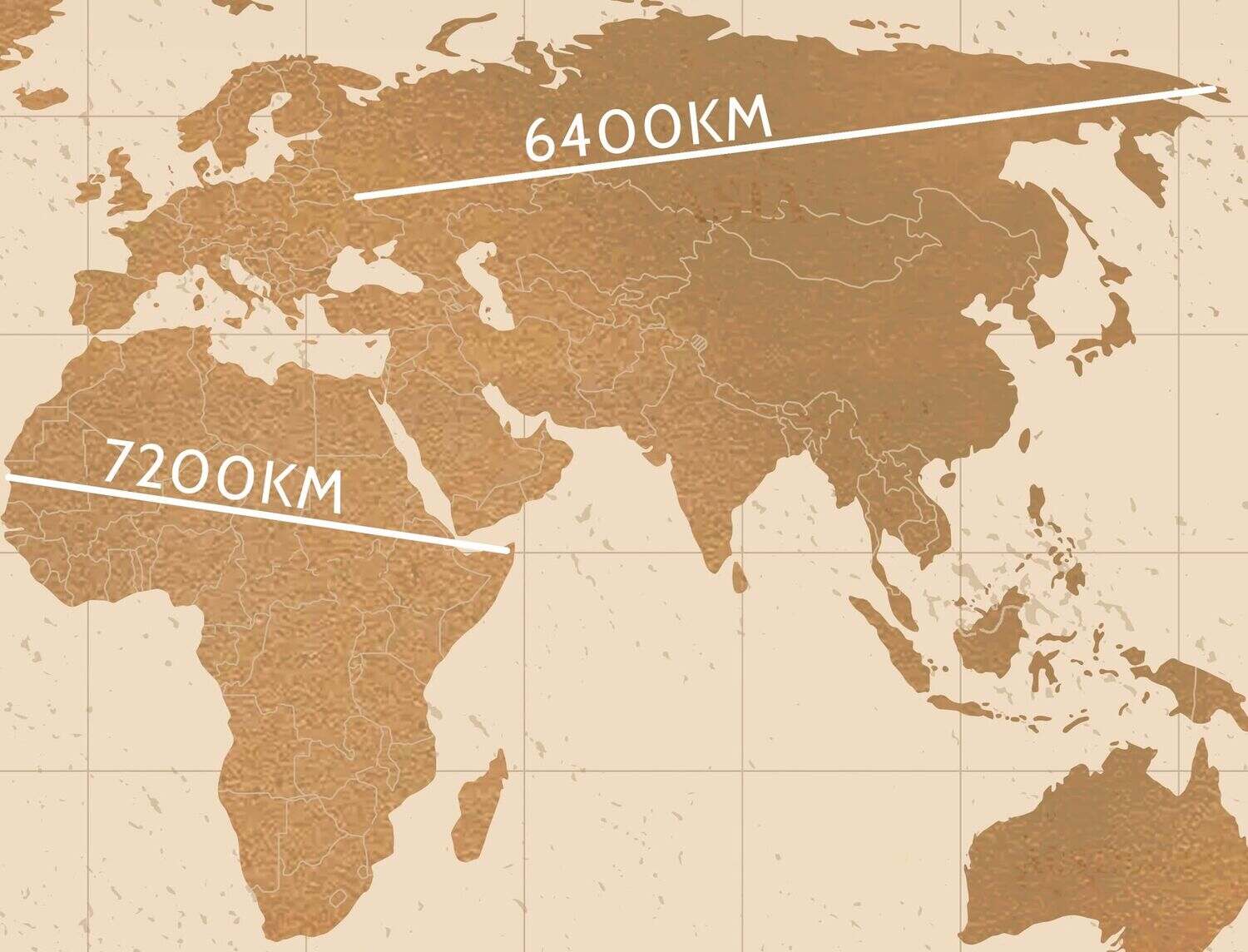
What I’m getting at is that, particularly in eastern and southern Africa, it’s difficult to string all the places I want to visit into one neat route. Instead, I’m constantly making logistical decisions and adjusting my plans to reach remote and lesser-visited places. Even with plenty of planning, I often end up doubling back, taking detours, or riding huge loops simply to get to the places I want to see.
That lack of a clear trajectory has also made it harder to share the journey. My plans have been changing constantly for years, and at times it has felt like my life hasn’t really been part of one cohesive story. Of course, there are still countless stories to tell and fascinating moments to share from all the places I’ve visited. But without a bigger narrative connecting them, it hasn’t always felt as natural as I’d like.
Now that my South and East Africa chapters are coming to an end, I’m about to have something I’ve been missing for a long time: a clear destination on the horizon. For the next adventure, I’ll know where I’m going; I’ll be able to see my progress on the map every day, and every kilometre will bring me a little closer to the finish line. And I couldn’t be more excited!
What Is Arctic2Africa?
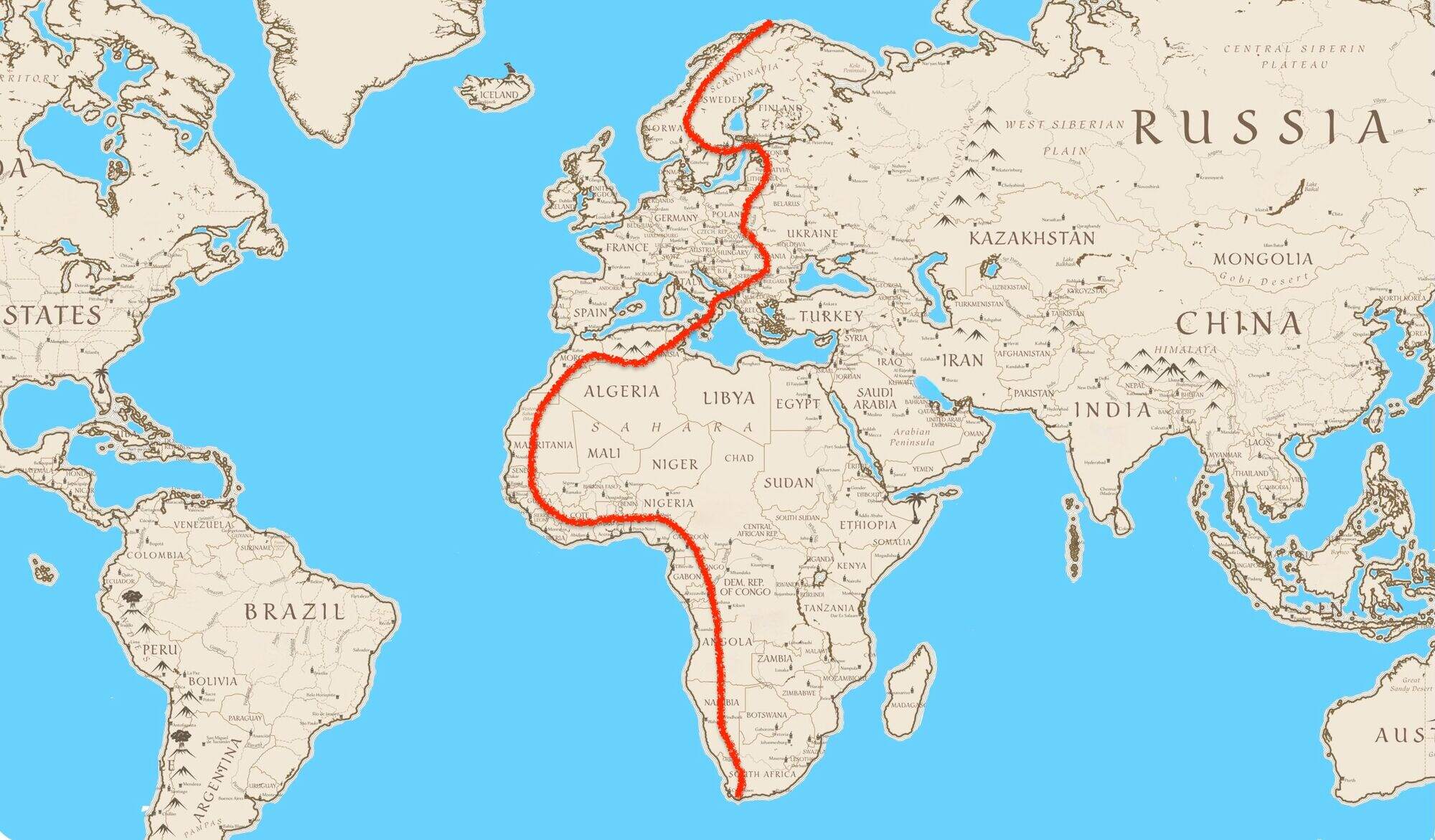
Arctic2Africa begins at Europe’s northernmost point and finishes at Africa’s southern tip, taking us down the continent’s western side. By the time we roll into Cape Town, it will have been five years since we first started cycling in Africa.
The direct route measures around 20,000 kilometres, but that’s before adding all the detours that make bicycle travel so rewarding. Realistically, I’m expecting to ride well over 30,000 kilometres. The timing has also been carefully planned: we’ll start during the European summer, experience winter in southern Europe and North Africa, cross the Sahara before the worst of the heat arrives, and continue along the lush Guinea Coast as the seasons change.
By the time the expedition is over, I’ll have visited almost every part of Africa that I’ve dreamed of exploring by bicycle.
That said, a few places will still be missing from my map. Most are countries or regions where independent travel is currently too difficult due to security concerns. While there are often pockets that can be visited safely, exploring them usually means sticking to tightly controlled routes or travelling with armed security or police escorts. That’s not the kind of experience I’m looking for, so I’d rather wait another decade or two and hope circumstances improve enough to explore them more freely.
There are also a handful of stable countries that are simply difficult to include on an overland cycling route because they can only realistically be reached by air. Eritrea is probably the best example. I’ll get to these places one day.
The Arctic2Africa Route
Norway to the Balkans (Jun-Sep 2026)
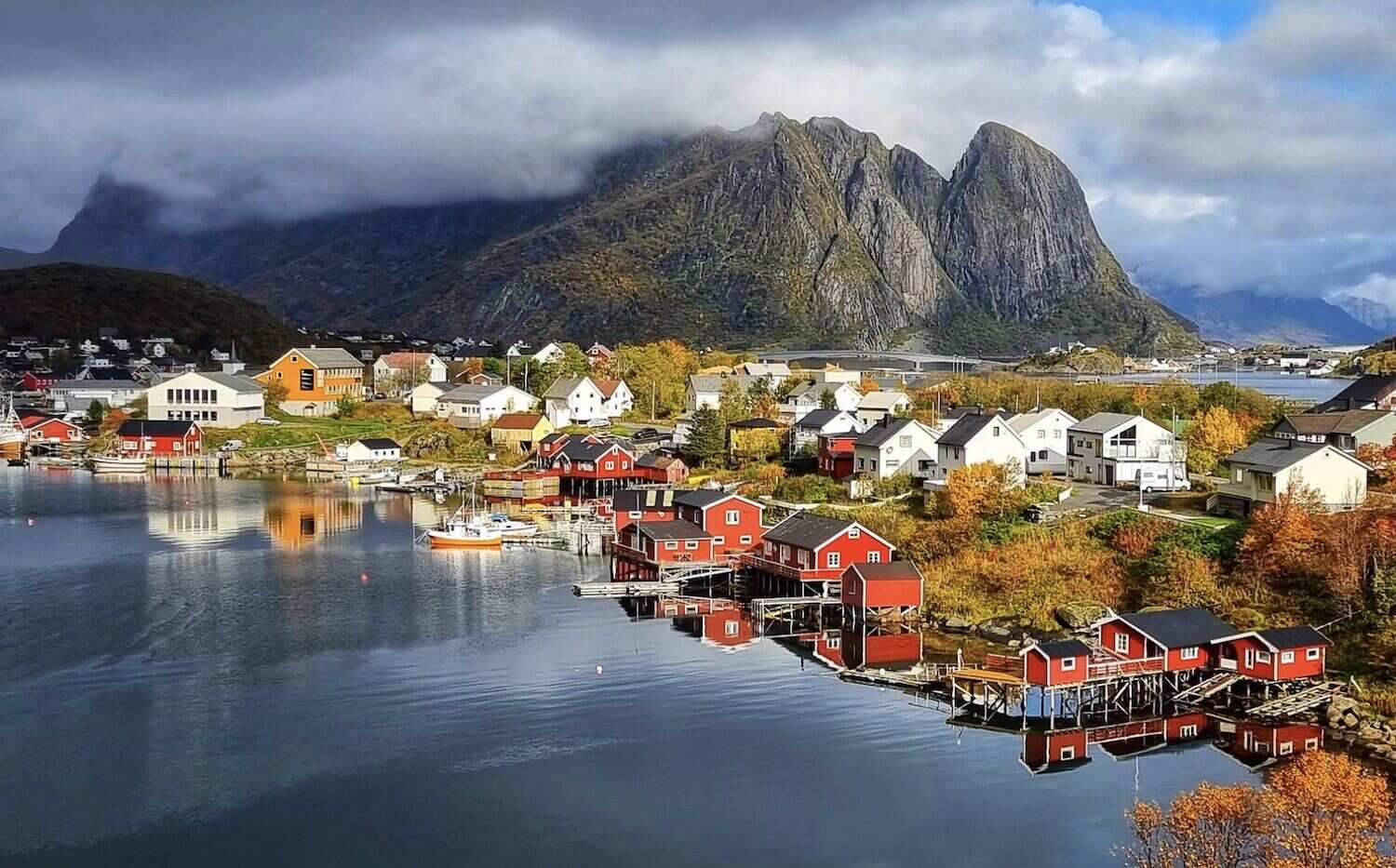
Our journey begins with a flight to Ivalo in northern Finland, where we’ll spend our first week exploring the wild forests, lakes and remote landscapes of Finnish Lapland. From there, we’ll head north to one of the northernmost points of Europe. The Vedvik and Varanger Peninsulas seem to offer dramatic Arctic scenery without the crowds.
We’ll then head south, following Norway’s breathtaking coastline, weaving between towering fjords, snow-capped mountains and tiny fishing villages as we make our way towards the Lofoten Islands. Countless ferries will become part of daily life, linking together stretches of one of the world’s most spectacular coastlines.
From Scandinavia, we’ll ride through the Baltic states before leaving the coast behind for the forests and rugged peaks of the Carpathian Mountains, where a network of off-road routes should carry us deep into Eastern Europe’s wild landscapes.
The Balkans (Sep-Dec 2026)
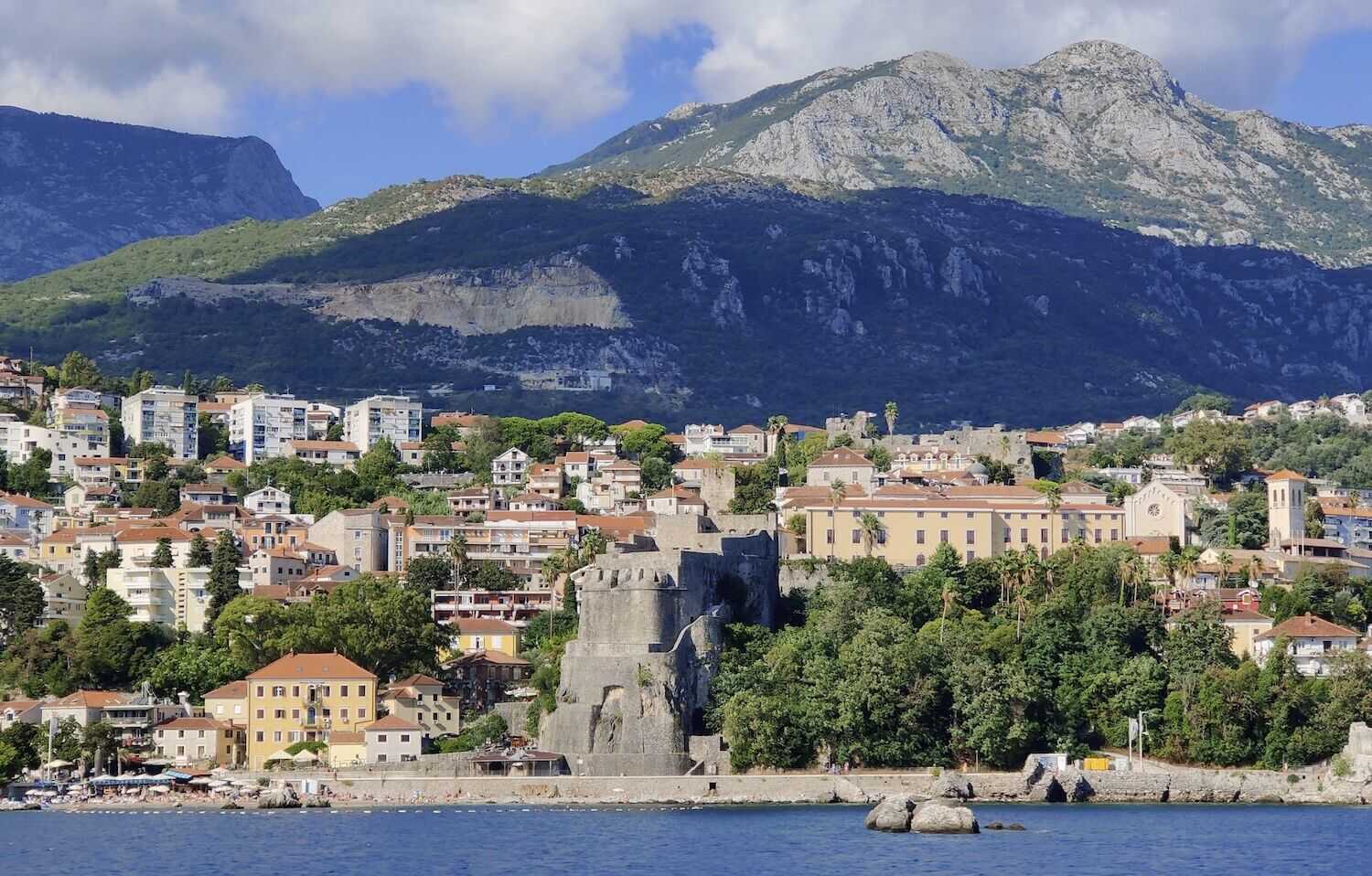
One of the more annoying challenges of this trip isn’t avoiding rain and wind; it’s working within the constraints of the Schengen visa.
After spending 90 days inside the Schengen Area, we’ll need to spend another 90 days outside it before we can return. Fortunately, that works in our favour because some of Europe’s most underrated destinations lie just beyond its borders.
We’ll slow things down and spend several months exploring the Balkans, riding through mountain villages, limestone canyons and centuries-old towns. Montenegro, Albania and neighbouring countries have been among my favourite places I’ve ever cycled, thanks to their welcoming people, incredible mountain scenery and rich history.
This feels like the perfect place to linger before leaving Europe behind.
The Balkans to Senegal (Dec-May 2027)
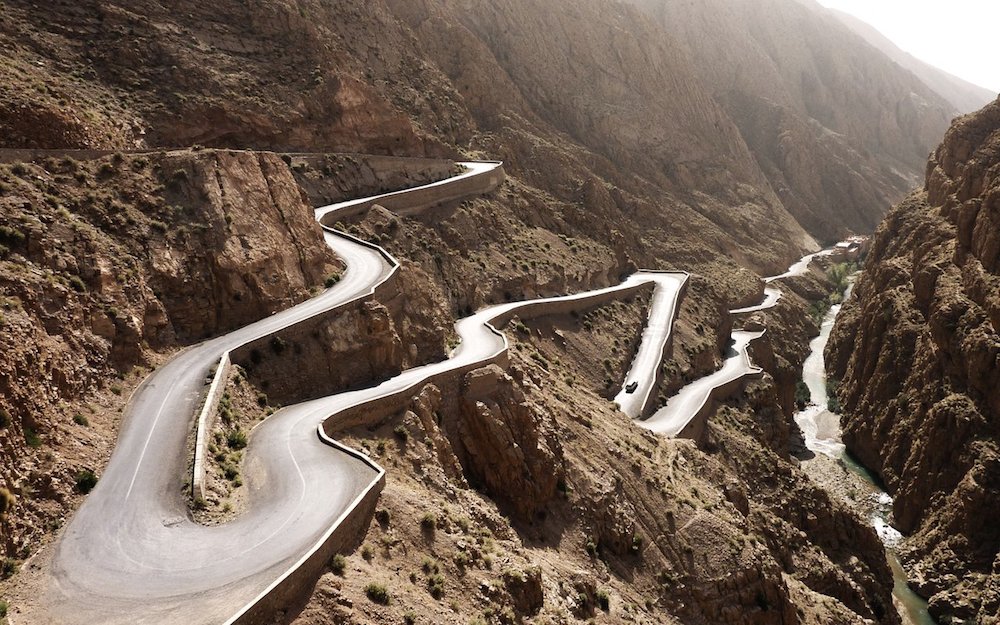
Once our Schengen clock resets, we’ll return briefly to southern Europe by ferry, landing in Italy. Winter may make for some chilly riding, but it’s hard to complain when every day ends with incredible food, local wine and ancient Roman ruins.
From there, we’ll continue south through Tunisia and Algeria before crossing back into Spain and eventually reaching Morocco.
Morocco is one of the countries I’m most excited about. Snow-covered mountains rise above deserts, medieval medinas buzz with life, colourful markets fill the streets, and every region seems to have its own unique cuisine and traditions. It’s a country that looks to have it all.
Then comes one of the trip’s bigger physical challenges: crossing the Sahara through Western Sahara and Mauritania. The distances are enormous, towns are few and far between, and the landscape becomes beautifully empty. Thankfully, we’ll be travelling with the prevailing trade winds, so with a strong tailwind behind us, there may even be days where 200 km pass surprisingly easily.
Senegal to Nigeria (May-Oct 2027)
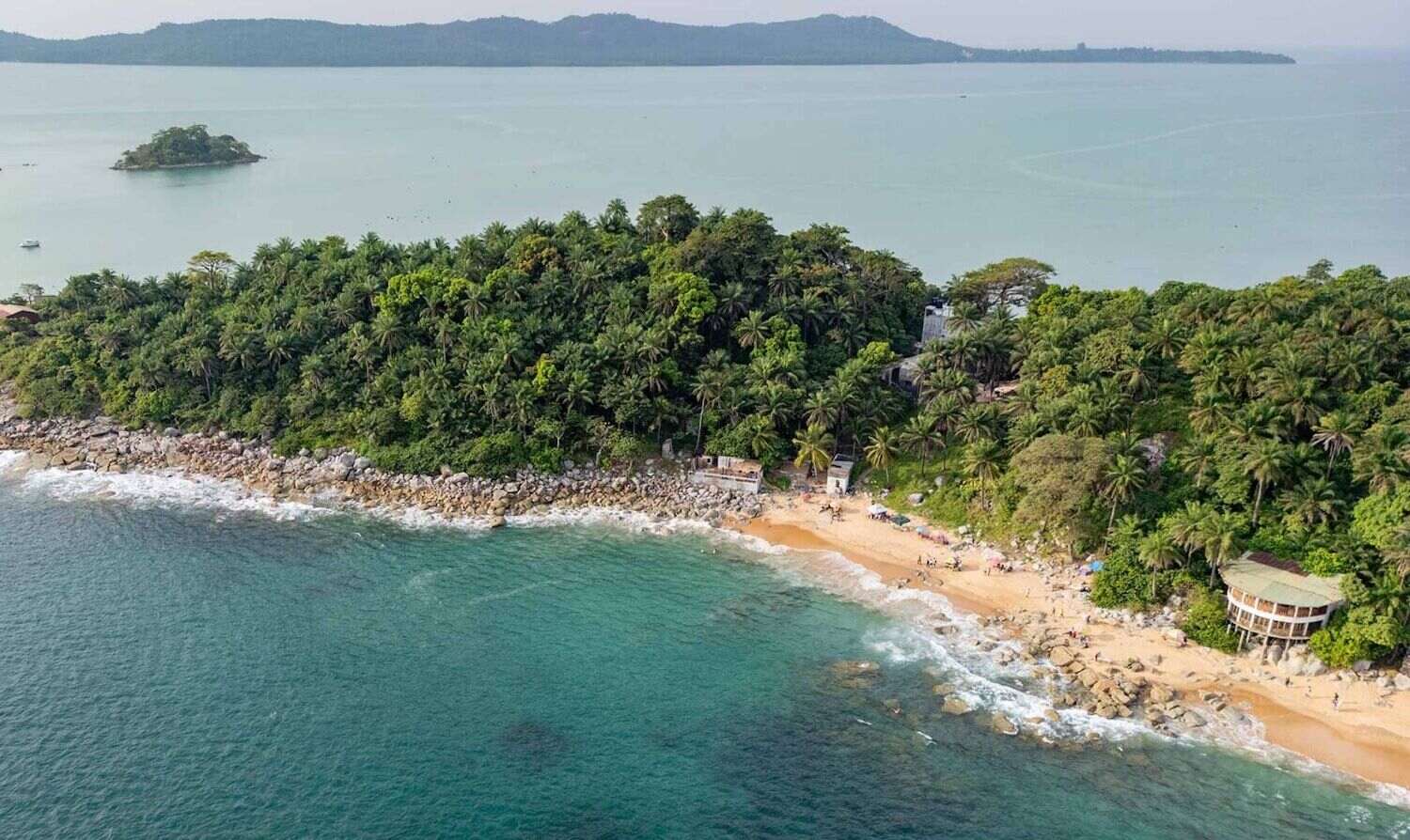
After weeks of desert, West Africa will feel like entering another world.
The Guinea Coast is greener, more densely populated and bursting with culture. The riding distances between countries become much shorter, allowing more time to experience the music, art, food and history that have made this region so influential.
I’ve always been fascinated by West African culture. Throughout East Africa, I always noticed galleries and museums showcasing many artifacts from West Africa. Seeing the influence of a region from thousands of kilometres away only made me more eager to experience it for myself.
Nigeria to the Republic of the Congo (Oct-Mar 2028)
Nigeria has long been one of the places I’m most curious to visit. As Africa’s most populous country, it has an incredibly vibrant identity shaped by its music, food, languages, fashion and creative industries. While some regions remain less safe than others, we’ll carefully follow local advice to find the safest routes through the country.
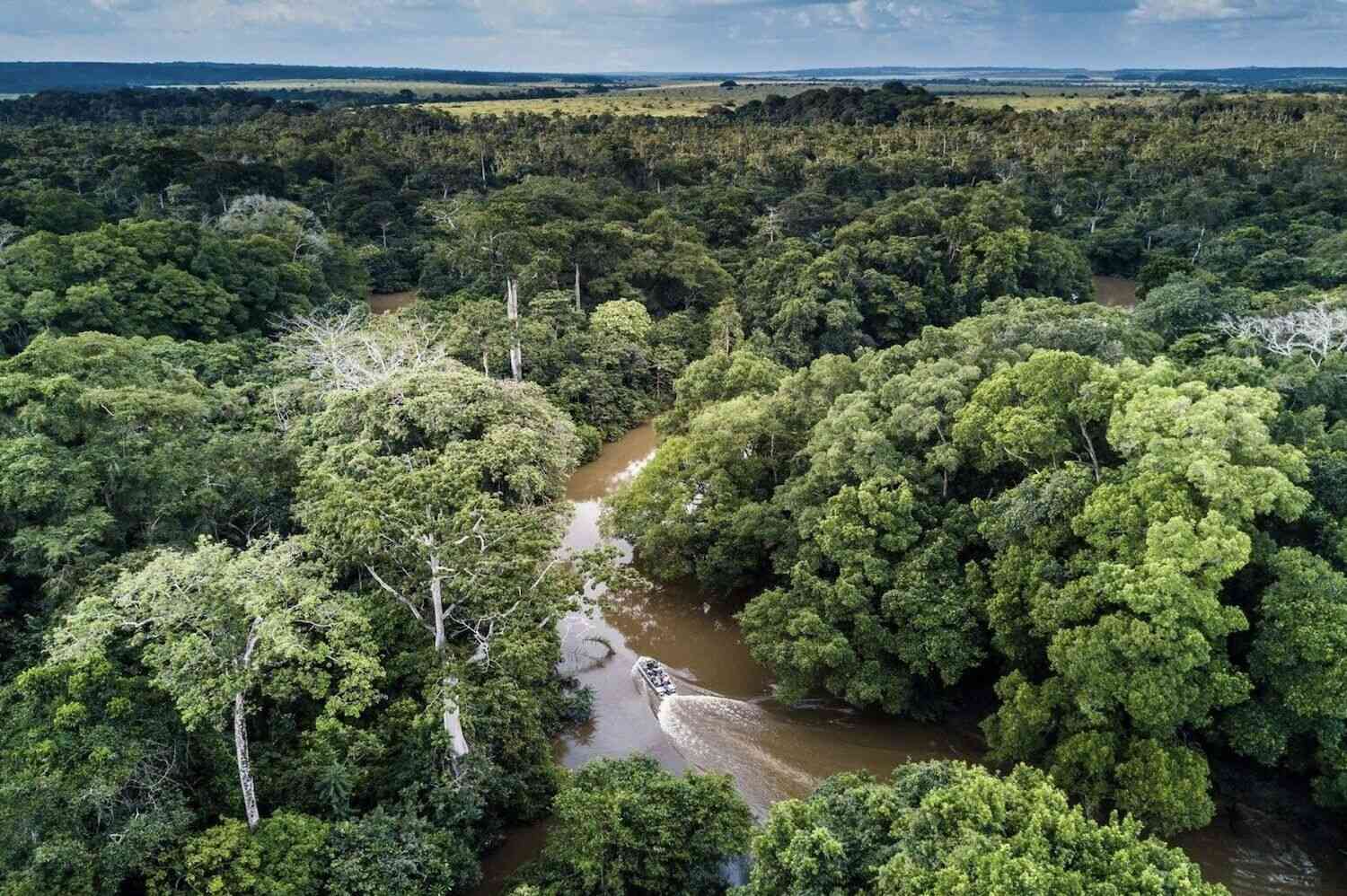
Further south, the landscape transforms once again as we enter the rainforests of the Republic of the Congo.
After spending years exploring East Africa, it’ll be exciting to experience a completely different rainforest ecosystem. Many of the iconic animals found in Rwanda, Uganda and the DRC also live here, making this one of the trip’s most exciting wildlife regions.
Angola (Mar-Apr 2028)
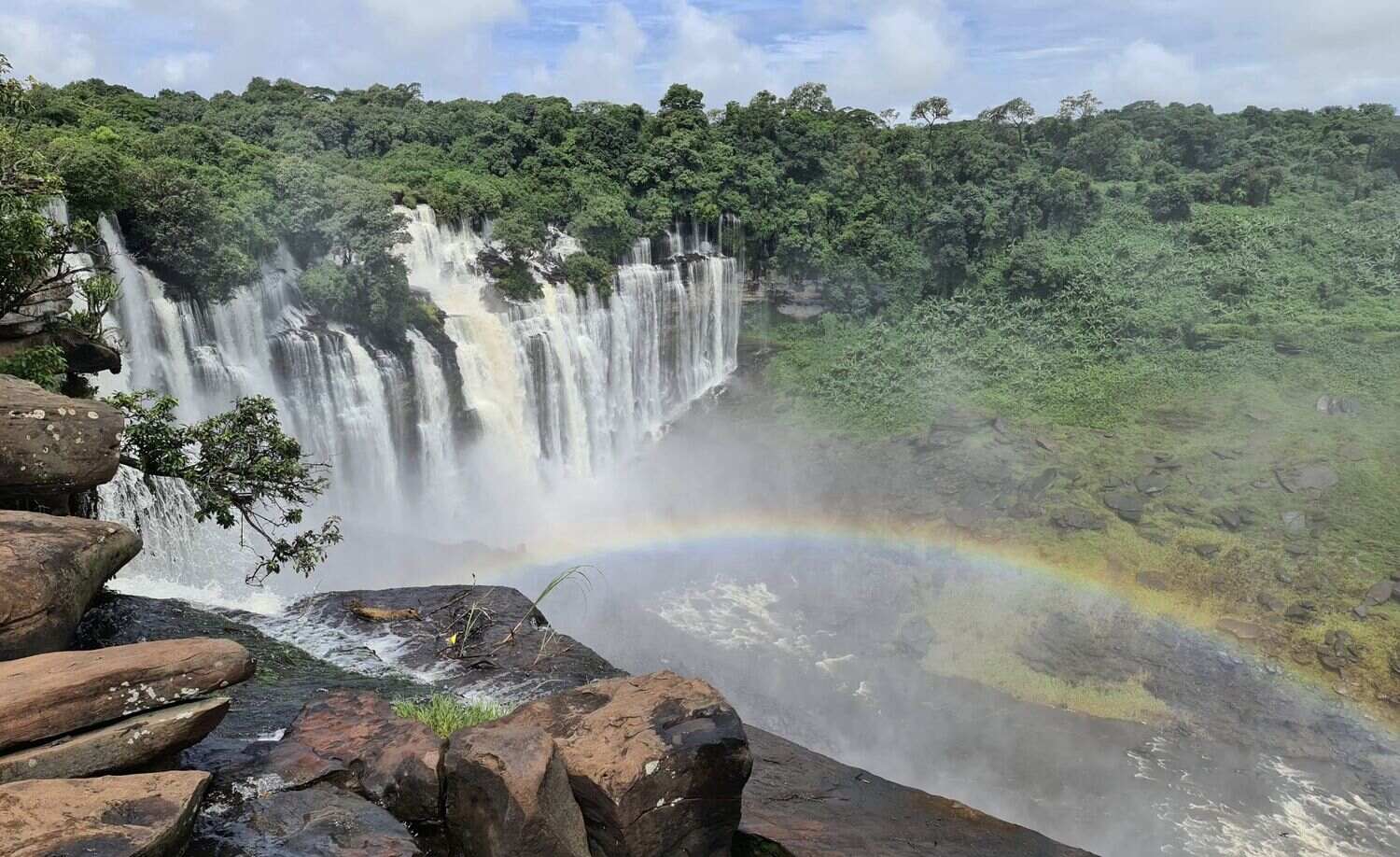
By the time we reach Angola, we’ll be ready to leave the established touring routes behind.
Angola has a growing reputation among overland travellers for its spectacular scenery and quiet backroads. This feels like the perfect place to cycle about and simply see where the roads lead us.
We’re also fascinated by Angola’s Portuguese heritage. Having loved both Mozambique and Brazil, it’ll be interesting to discover the cultural threads that connect these Portuguese-speaking countries across different continents.
Angola to South Africa (May-Oct 2028)

The final stage takes us towards Cape Town. Although we’ve already spent years cycling across southern Africa, we’re determined not to simply repeat old routes. There’s a good chance we’ll favour Botswana over Namibia this time, searching for quieter roads and new landscapes before eventually reaching South Africa.
The journey will finish with some of our favourite off-road riding in Africa: the mountains, vineyards and gravel roads of the Western Cape.
By the finish, we’ll have crossed two continents, travelled through dozens of countries and experienced everything from Arctic tundra and Norwegian fjords to deserts, tropical rainforests and African savannah.
A New Bike for Arctic2Africa
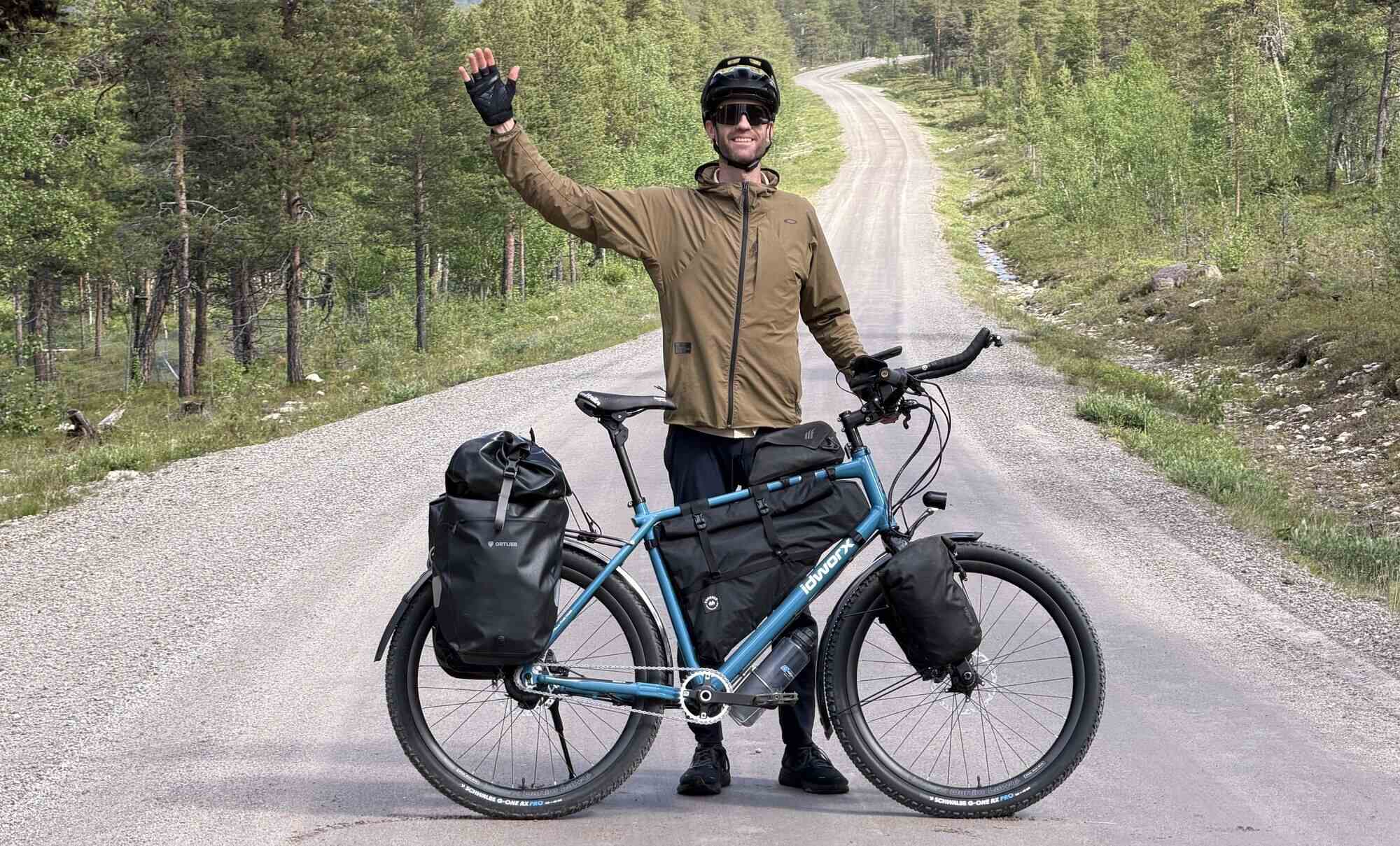
If you missed the announcement, I’ve changed bike sponsors for the first time in nine years and after more than 100,000 km of bicycle touring. For Arctic2Africa, both Laura and I have swapped our KOGA for Idworx touring bikes. You can see my new bike and go on an Idworx factory tour HERE.
This expedition will also be one giant long-term equipment test.
For starters, I’ll finally find out whether carbon fibre forks and carbon fibre rims can truly stand up to years of fully loaded touring. I’ve also downsized my tyres from 2.8″ to 2.35″. They roll noticeably faster on the road, but it’ll be interesting to see how much off-road capability I’m sacrificing in return.
The drivetrain is another major change. For the first time in 17 years, I’ve switched from a belt drive back to a chain drive. I’ll be testing long-lasting steel chainrings together with a modern drip wax lubricant to see whether today’s chain systems can genuinely compete with belt drives over the long haul. By the end of the trip, I should be in a much better position to give balanced advice on the strengths and weaknesses of both systems.
There are plenty of other new components I’m excited to put through thousands of kilometres of real-world abuse too. The bike is fitted with a SON Ladelux dynamo light featuring USB charging and both high and low beams, a Tubus Liviano titanium rear rack, a steering stabiliser headset and ultra-long-life bottom bracket bearings.
By the time we reach Cape Town, every one of them will have earned its place, or exposed its weaknesses.
Follow the Journey
Over the past year, I’ve taken a step back from regularly documenting my travels on social media and YouTube. After spending so many years filming, writing and editing while travelling full-time, I needed a break.
That time away has done exactly what I hoped it would. I feel refreshed, motivated and genuinely excited to start sharing the journey again.
I’ll be posting regular updates on Facebook and Instagram primarily, and time permitting, I’ll also be producing some travel videos for YouTube. I’m also thinking of writing a travel newsletter.
My goal is to bring you along for the ride – not just the incredible landscapes, but also the people we meet, the unexpected challenges and everything else that makes long-distance bicycle travel such a rich experience.


