


We’ve compared 32″ gravel bikes with 29ers in timed laps, investigated their rolling resistance, and explored how larger wheels affect vibration damping.
Now, thanks to Avona Bikes, we can finally investigate their aerodynamics. Avona makes its Callis gravel bike in both 700C and 32″ versions, giving us a rare opportunity to compare their aerodynamic performance in a wind tunnel.
Larger wheels increase frontal area, but how much extra drag does that actually create? Are 32″ gravel bikes meaningfully slower in the wind, or is the aerodynamic penalty smaller than you’d expect?
Let’s take a look!
Aerodynamics of 32″ Gravel Bikes
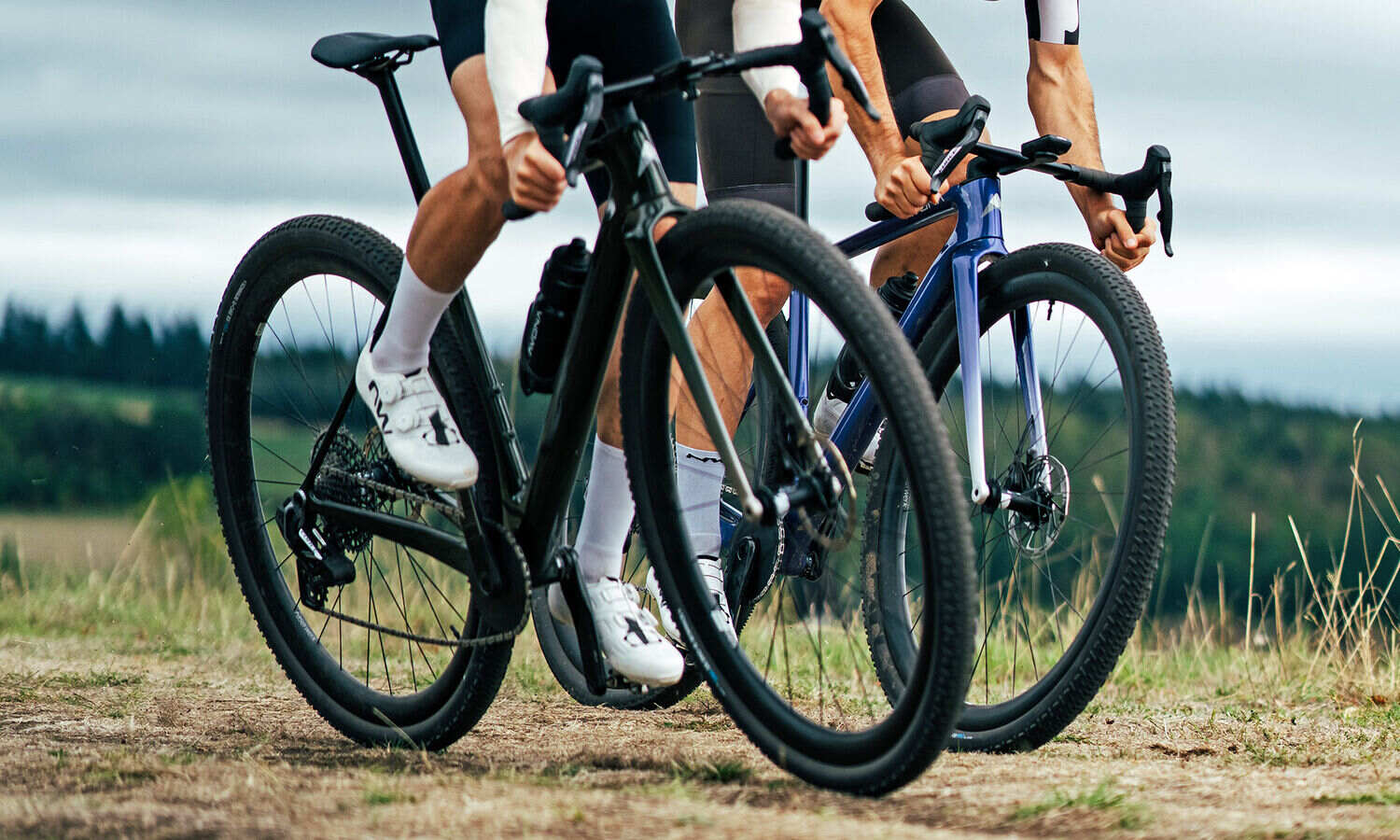
A 32″ wheel has about 9% more frontal area than a 700C, while the matching fork adds around 7%.
These increases in size might sound significant, but when I plug them into the drag equation and account for the rider’s body, the overall effect on your speed is surprisingly small. That’s because your body accounts for around 80% of the total aerodynamic drag when you ride a bike.
For this reason, I’ve never been too concerned about the extra aerodynamic drag of a 32″ gravel bike. The potential benefits in rolling resistance, rollover capability, and grip seemed much more significant.
But now, Avona bikes have put 700C and 32″ gravel bikes in a wind tunnel, providing a unique opportunity to actually quantify the aerodynamic penalty of the larger wheels.
Avona Callis Wind Tunnel Test
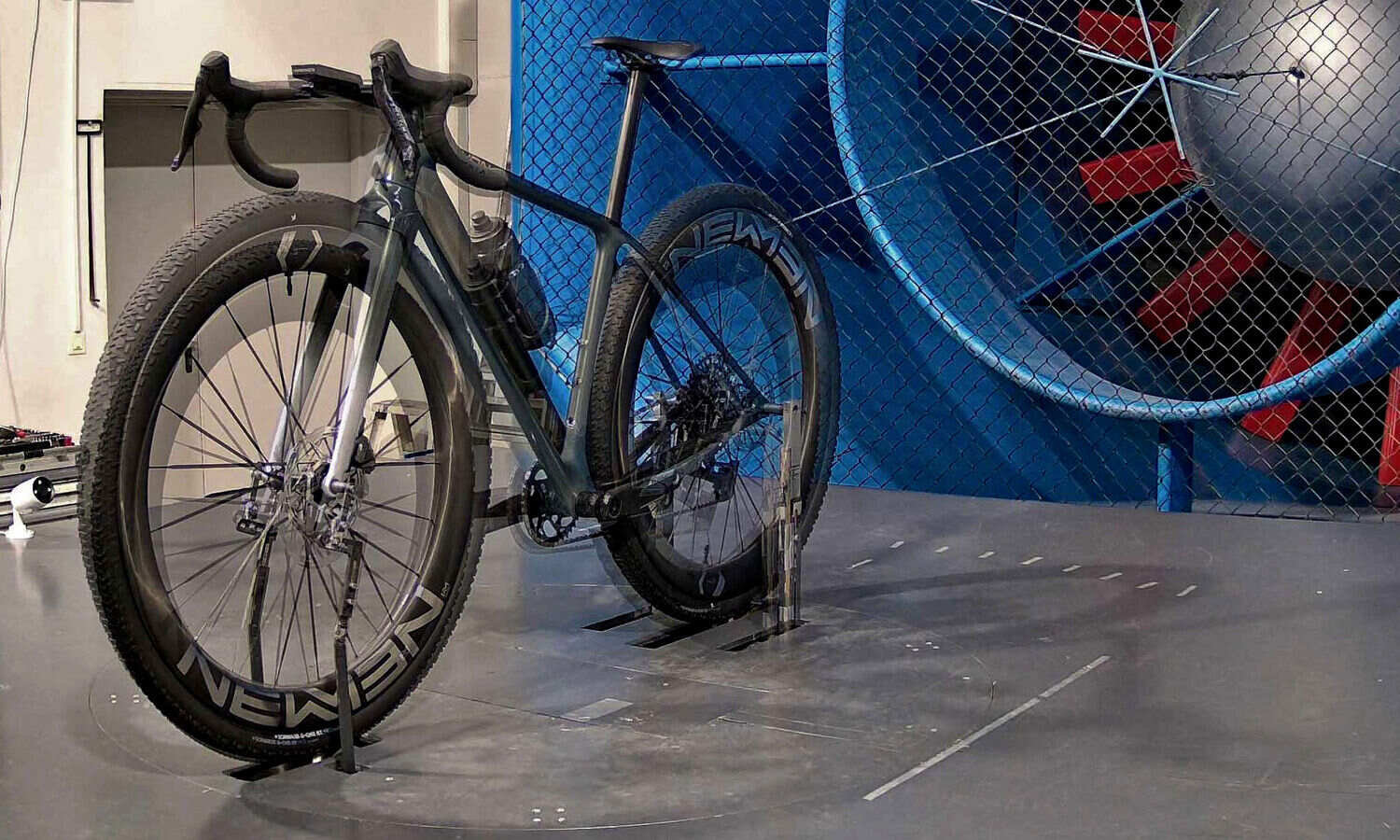
To make the comparison as fair as possible, Avona matched the rider position on both bikes, keeping the handlebar and saddle at the same heights. They also used the same Faserwerk Luftschneider handlebar and width.
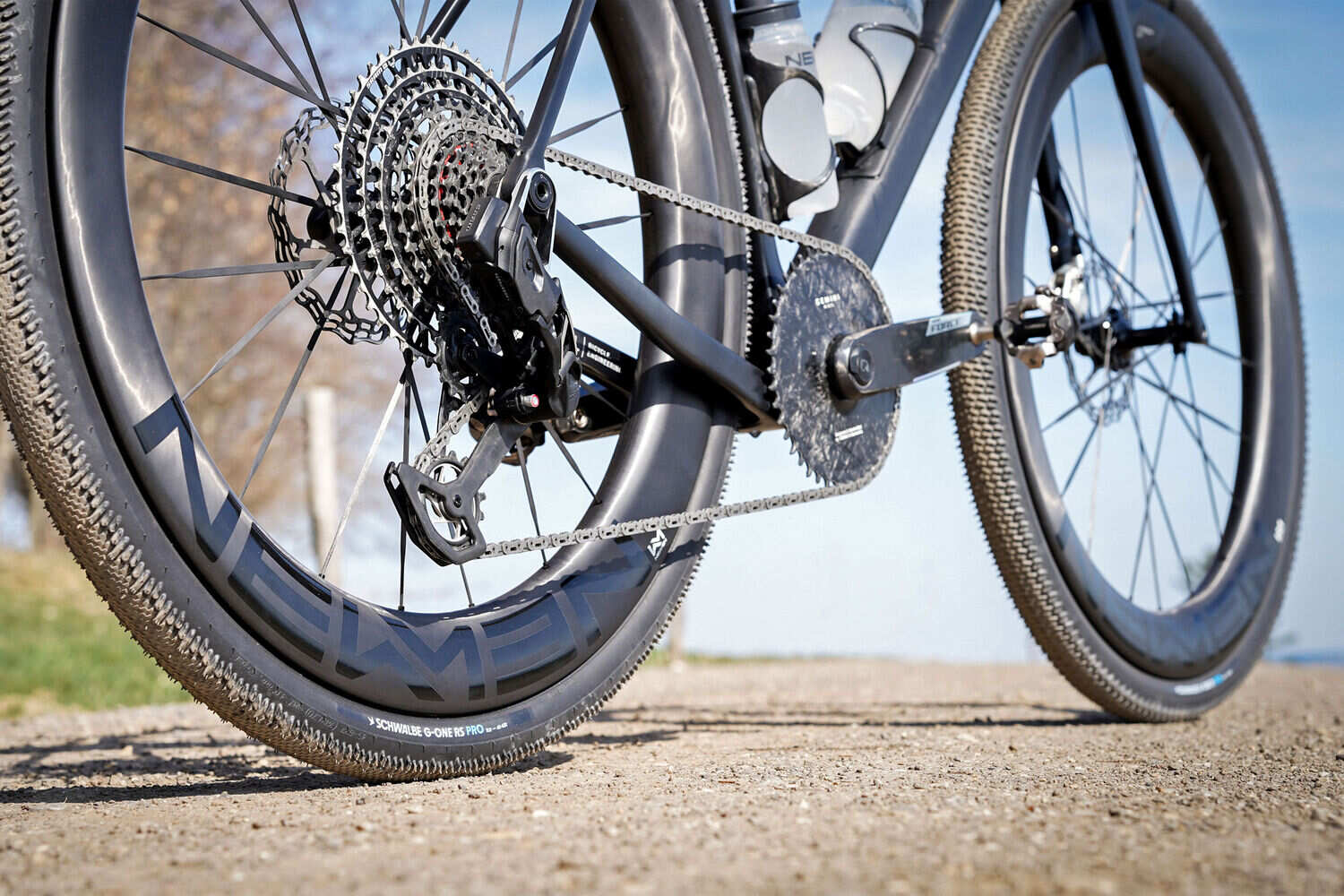
They tested two different wheelsets on the two bikes. The first was the Newmen Streem G.62, featuring 62 mm-deep carbon rims. The second was the Faserwerk Kornkreis, with 45 mm-deep carbon rims.
Both bikes ran 50 mm Schwalbe G-One RX Pro tyres mounted on rims with a 27 mm internal width. This ensures a similar tyre profile on all setups.
Testing took place in the GST Wind Tunnel at a wind speed of 35 km/h, with yaw angles ranging from -20° to +20°. The speed was chosen as this is typical of average gravel race speeds. If you’re cycling slower, you can expect the aerodynamic penalty to drop rapidly.
To calculate the weighted yaw results, Avona assumed that yaw angles follow a normal distribution centred on 0°, with a standard deviation of 10°. This gives the greatest weight to headwinds and near-headwind conditions, while assigning progressively less weight to larger crosswind angles.
Wind Tunnel Results
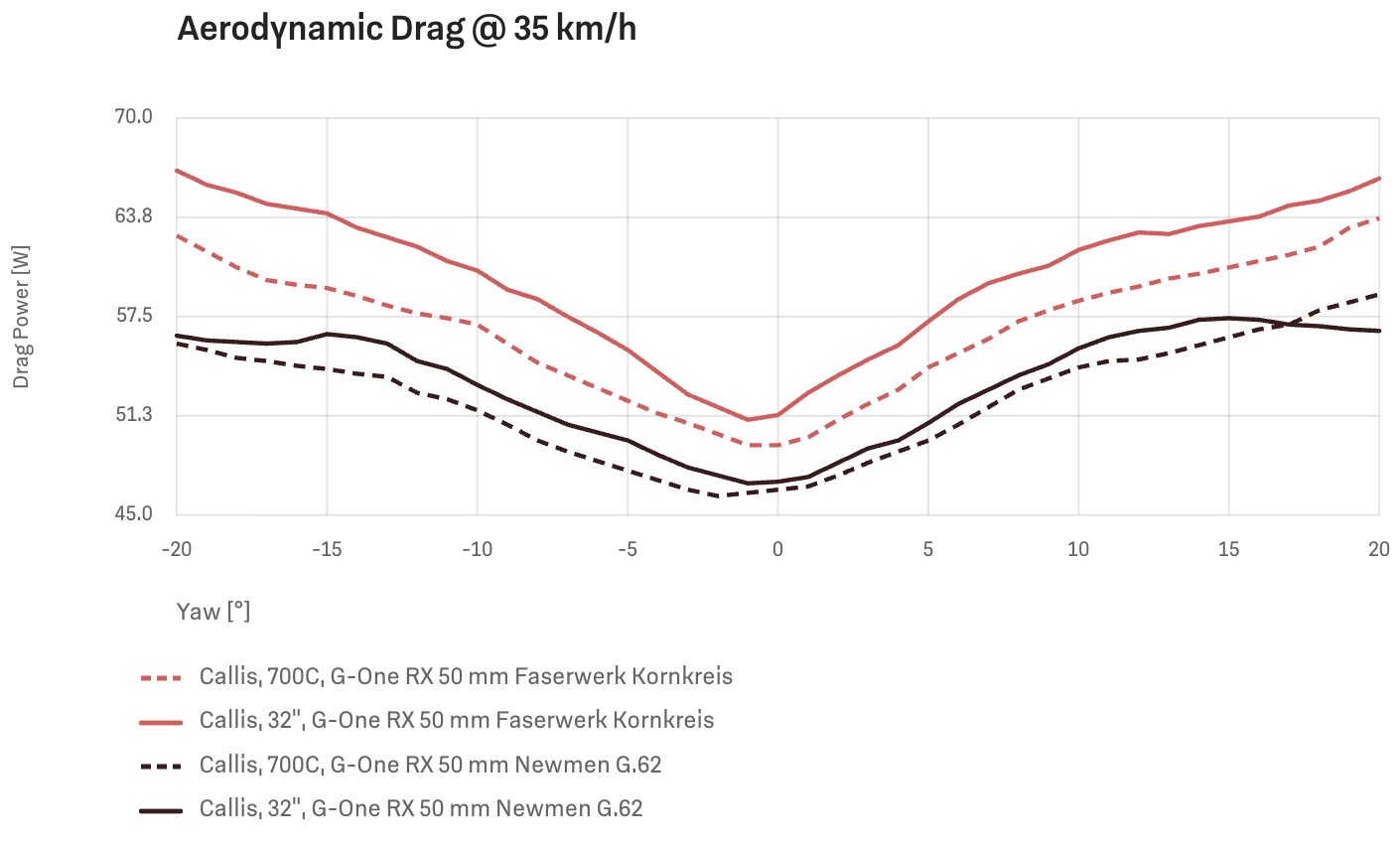
With the Newmen Streem wheels fitted, the aerodynamic difference between the 700C and 32″ bikes was just 1.2 watts. With the Faserwerk Kornkreis wheels, the difference increased to 3.1 watts.
Both results are lower than my mathematical models predicted in 2025, which estimated a difference of around 5 watts. It’s great to see that the real-world wind tunnel data is actually better than expected.
So why was the difference larger with the Faserwerk wheels? According to Avona, there are two factors at play.
First, the Newmen wheels have a deeper 62 mm rim profile, which produces negative drag at high yaw angles. This is commonly known as the sailing effect. Under these conditions, the wheels can generate an aerodynamic force that helps propel the bike forwards. Because the 32″ wheels have a larger surface area, they can generate more of this effect, helping to offset their additional drag.
You can see this in the graph between 15° and 20° yaw, where the 32″ bike with Newmen wheels starts to show a reduction in drag.
Second, the Faserwerk wheels have a shallower 45 mm rim profile compared with the Newmen’s 62 mm rims. This gives them different aerodynamic characteristics across the range of yaw angles, which also affects the overall difference between the two wheel sizes.
How Much Faster Are the Newmen Streem Wheels?
I extracted the data from Avona’s yaw graphs and applied the same weighted average for yaw angles that they used in their analysis. This allowed me to estimate the approximate aerodynamic difference between the Newmen and Faserwerk wheelsets.
At 35 km/h (22 mph), the Newmen Streem wheels, with their 62 mm-deep rims, were around 4–6 watts faster than the Faserwerk wheels, which have 45 mm-deep rims.
That’s a surprisingly large difference, and it means your choice of wheelset could have a much bigger impact on aerodynamic drag than your choice of wheel size.
Summary
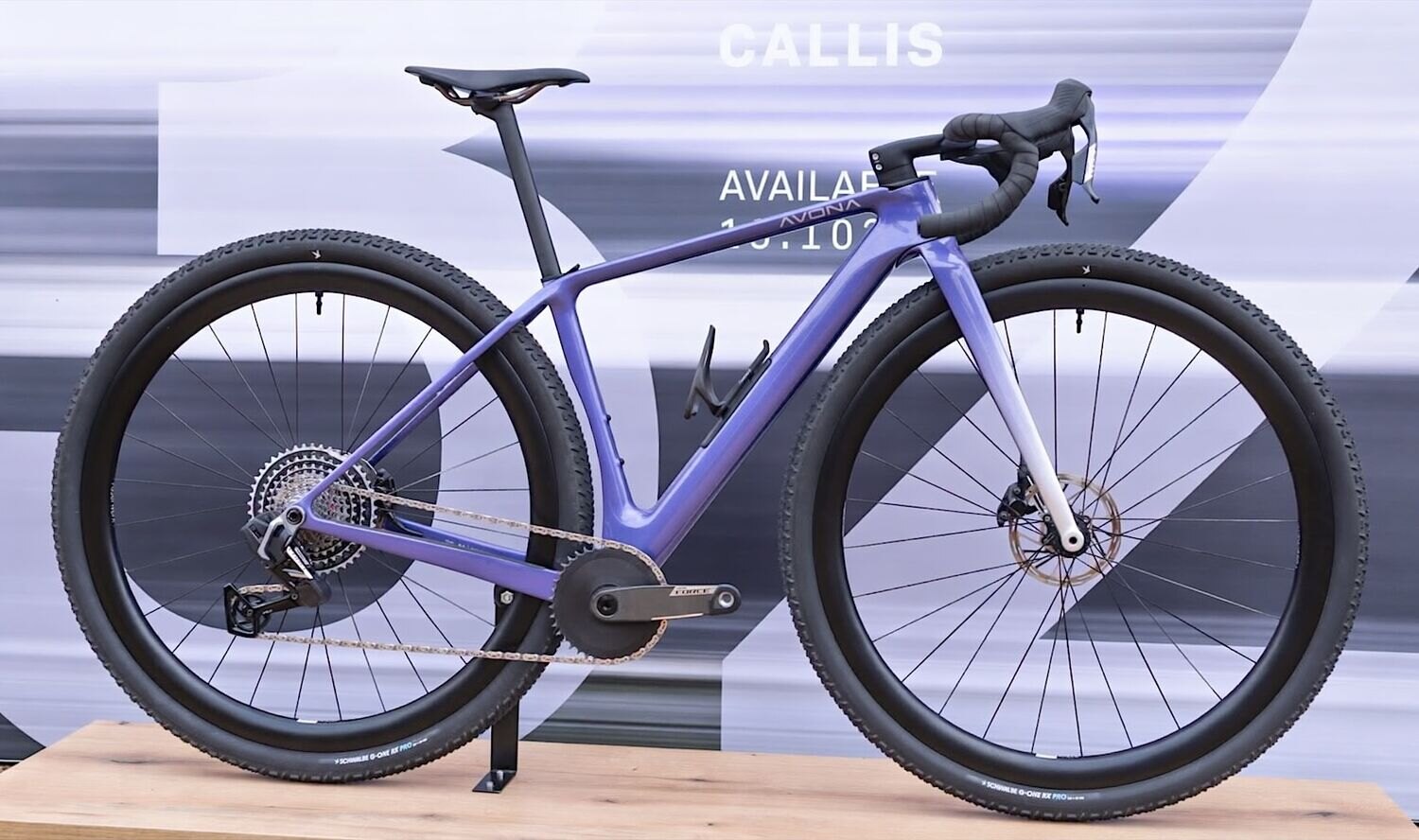
700C gravel bikes are generally more aerodynamic than their larger 32″ counterparts, but the difference is smaller than you might expect. At 35 km/h, the aerodynamic penalty of a 32″ bike is just 1–3 watts, dropping to around 0.5–1 watt at 25 km/h. It’s hardly a dealbreaker.
Interestingly, the results aren’t quite so straightforward at higher yaw angles. Here, the larger 32″ wheels can generate a stronger sailing effect, potentially making them faster in certain crosswind conditions.
More importantly, the aerodynamic penalty pales in comparison to the potential rolling resistance benefits. With the same tyres fitted, 32″ wheels can offer rolling resistance savings of more than 10 watts, with the advantage likely to increase on rougher surfaces.
Ultimately, while 32″ wheels do come with a small aerodynamic disadvantage, their potential gains in rolling resistance appear far more significant.


