


This is the hardest piece I’ve written so far for this website – a collaborative article (with Kat) about the life lessons we learned from our multi-year bicycle journey around the world.
It took us more than six months to distil our key learnings from 26 months of constantly meeting people and discovering the world around us. Even now, my perspective on these lessons continues to evolve, though at a much slower, more settled pace.
I’ve spent a lot of time reflecting on people, society, and culture – it’s one of my favourite things to do. These topics are incredibly complex, so the real challenge has been explaining them clearly and concisely.
After reading through this piece, I feel proud of how far I’ve come and what I’ve experienced over the past few years. I hope you’re able to take something meaningful from it too.
11 Lessons That Reshaped How We See the World
Humans Are More Similar Than You Might Imagine
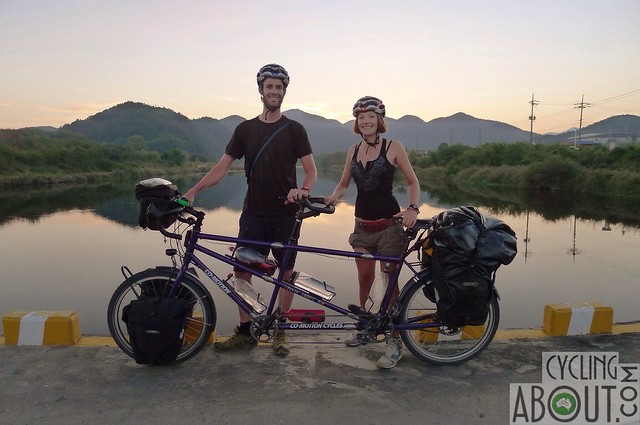
Despite small differences in culture, food, habits, and personality, fundamentally (and wonderfully!), people all over the world are the same. We all love our family and friends, we all hurt in similar ways, we all ask the same questions, we all want the same things, and we all share similar values, strengths, and flaws.
Over time, we’ve become accustomed to noticing differences, oddities, and things that might once have felt frustrating. There is no doubt that differences should be celebrated, as they make the world an interesting place and can even make connecting with people easier. But our similarities should also be constantly remembered because, by and large, we are the same – we are human.
It makes you wonder what the world could achieve if we focused more on celebrating cultures, rather than putting so much energy into fighting over our differences.
There is also a basic, often overlooked misunderstanding across cultures, particularly around religious practices and beliefs. We are naturally drawn to define ourselves through differences, yet often all it takes is stepping into the home of a family on their day of rest to see the opposite.
Time and time again, we were invited into people’s homes and welcomed as part of their extended family over a meal or even several. These moments carried a quiet stillness, warmth, and presence that seemed to transcend belief systems.
Whether giving thanks to God in the Netherlands, to Allah in Turkey, or being surrounded by the colourful presence of Ganesh in Malaysia, the act of sharing food and time felt universal.
The country did not matter. In these shared meals, people were often closest to whatever they believed in – and that sense of connection could be felt and joined by anyone, regardless of creed.
Travel Breaks Down Prejudice, Bigotry and Narrow-Mindedness
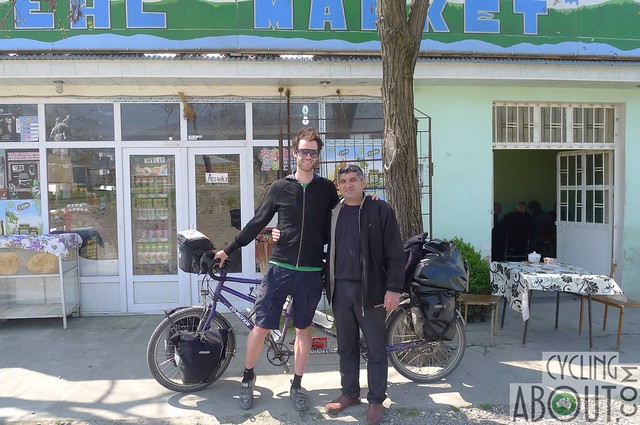
Bigotry and xenophobia are often the product of ignorance and a lack of education, of fear of people and places unknown, and, quite frankly, of inexperience. However, once you meet and understand new people, visit unfamiliar places, and gain access to a more rounded education, that fear begins to dissolve.
Travel encapsulates this shift, offering a kind of multi-layered education that opens access to all of these experiences at once.
It was a common perception that the next country along our route would be far more dangerous and less trustworthy than the one before it. Border crossings were often treated with suspicion and fear.
Some people told us they hated everyone from the next country, despite having never met any of their neighbours. From Europe to our very own Australian doorstep, we were warned about what lay just down the road – about the people in the next country over, or even the next city or village.
What was both striking and confusing for us was that the same people who expressed these fears were often upset when they themselves were judged or persecuted in return, while simultaneously holding similar, unexamined prejudices toward others.
If people, regardless of nationality or background, were encouraged to rely less on what they are told and more on direct experience with their neighbours and surrounding cultures, there would, without doubt, be far less to fear.
Religion Is Often a Force for Good

Given our rather atheist and worldly upbringings, we never imagined becoming fonder of religion. But its foundational, and often pivotal role in societies worldwide was both heart-warming and eye-opening.
Through religious practices, we witnessed family bonds, respect, kindness, generosity, and a sense of community elevated far beyond what we have come to understand as the ‘norm’ in Australia.
For most of the world, religion is a deeply personal affair. We learned about the beauty of prayer – a moment in the day to experience stillness, in a safe, clean, calm, and silent space. For many, prayer clears the mind, the body, and the soul, and provides the mental strength to move forward.
The infamous call to prayer woke us up in a number of countries shaped by the Islamic faith. A gifted muezzin (the voice behind the prayer call) could make our skin tingle, our eyes moisten, and our hearts lift. This daily expression of devotion, repeated five times a day, is arguably unmatched in its emotional resonance.
One might argue that religion often comes with fundamentalism, blind ignorance, and superstition – a fair observation given the media-saturated portrayal of religious extremism and fear-driven leadership. In general, however, we found that those who hold and practice religion through love (and that is the majority) are rarely burdened by it. Instead, they are often enriched by it.
In many Western societies, participation in organised religion and religious communities appears to be declining day by day, largely due to the welcome increase in autonomy, self-reliance, and reduced existential fear. However, in our observation, world religion extends beyond this. It is just as much about improving the individual and encouraging contribution to the common good as it is about addressing fear or conformity.
While we are unlikely to ever define ourselves as religious, we are now certainly more open to its merits and less inclined to see its flaws as defining or central.
The World is an Inherently Good and Safe Place
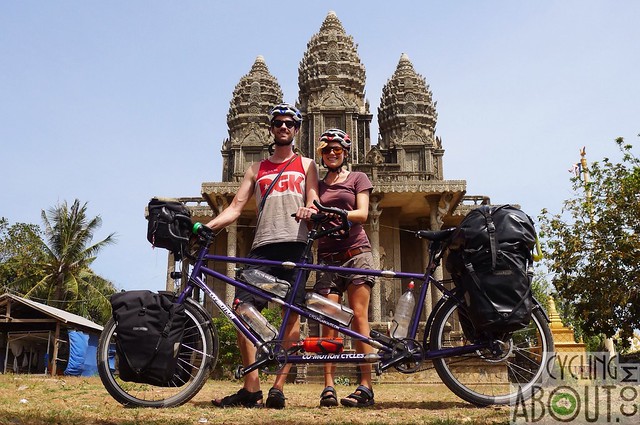
You might pick up the newspaper and read doom and gloom every day, but trust us – most of the world isn’t like that. The problems you read about are generally localised, and although they may exist within a particular country’s borders, that doesn’t mean the whole country is defined by them.
For example, if you stayed at home and only read the news, you might assume the Middle East is a place of constant conflict, war, and radicals on crusade. The reality is that most areas are safer than home, and the people who live there genuinely want to get to know you.
Believe it or not, across every country we cycled through, we didn’t come across any highly dangerous political tension, nor did we experience any armed conflict. It is with deep satisfaction that we can say the world is, by and large, very safe and easy to travel through.
Beyond Opinions, People Are Still People
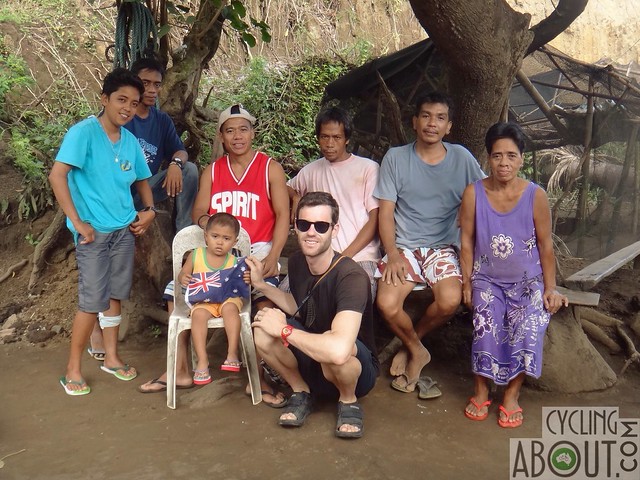
We’d always had the impression that being liberal-minded was essential; a prerequisite to being nice and reasonable… how wrong we were. Humanity, especially expressed as kindness, exists in everybody, no matter what their opinions are.
We’ve met many people who, often through lack of education or a strictly conservative background, might be your standard anti-climate-science, mildly sexist, confusingly racist, dogmatically homophobic types that we initially couldn’t imagine being generous to us, but then… they presented themselves with open arms and open hearts.
It is important not to spend life preaching to the converted, no matter which side you happen to be on. Through interaction with people who have different mindsets, different educational backgrounds, and family lives – indeed, different life experiences from us – that is how lessons are learned, values are strengthened or challenged, insights are gained, and friendships are formed.
In Azerbaijan, it was commonplace to be involved in mining and the associated industries. In Australia, mining is often associated deeply with a disrespect for the land, for the world, for one’s own personal definition as a global citizen; however, in Azerbaijan, the work is often carried out with more consciousness.
Many of the friends we made were applying their environmental understanding and respect to the highest level they could, often reasoning that if it weren’t them doing the work, holding many of the companies accountable, it would likely be a less environmentally-aware person causing preventable damage to the land.
Sadly, we had got so stuck in our own snobbery that we were left with these silly prejudices. We can now tell you that it’s human nature to be kind and compassionate, not something that comes automatically with liberal views.
You Don’t Need Much To Be Happy
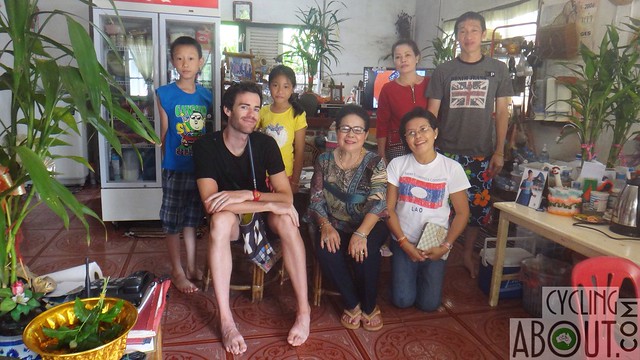
We’ve certainly discovered that there are plenty of people in this world with almost nothing who still live happy and fulfilling lives. The things that seem to keep people happy and motivated are:
- A loving and supportive group of friends and family, through which you can have strong emotional connections
- A valued role in society
- A sense of community and some involvement in it (whether that be through religious practices, the arts, or simply making and strengthening connections each week)
- Little risk of persecution or danger
Beyond the addition of basic safety, almost everything else doesn’t matter. Among the amazing communities everywhere in the world, one that stood out for us was in the Philippines. The slums in Manila are some of the poorest in the world, yet when you spend time walking around the rabbit-warren streets and interacting with the residents, you’ll see children playing, families sharing, people helping each other out, endless music and dancing, and lots of smiles.
Sure, it could be interpreted as survival or a shared shouldering of burdens, but the vitality these communities glow with would suggest otherwise. Filipinos are people with next to nothing who make more than just the best of a bad situation, but bring life to the mundane parts of every day, who don’t take anything for granted and who value love, art, music and community like nothing else.
We have a lot to learn from societies like this.
You Don’t Need Much To Live Well

To be blunt, we are all filthy hoarders. We humans – especially those of us with the means to – really like to collect and squirrel away things we rarely use. When we were merrily cycling for two years with two panniers of gear each, it quickly put into perspective the mammoth amount of stuff we (and everyone!) have at home.
It is our experience that the less you have, the freer you feel (without being obnoxiously reductionist, of course). So the obvious lesson we’d like to share is to give away most of your clothes to opportunity shops, regularly clean out your cupboards to sell or give away anything you never use – in fact, don’t buy it in the first place. If you have stuff in storage that you haven’t used in years, there is a reason you don’t use it, so shed that stuff from your life too, or use it instead of buying the latest upgrade.
Among those who live the lightest in the world would have to be the nomads. Given we didn’t meet any people who were actually purely nomadic in their home country, the obvious example to highlight this would be long-term travellers.
George was a fellow who had begun his journey on foot and public transport and had shed and shucked his possessions like a hermit crab, unencumbered – left with only a satchel containing bare essentials for day-to-day living. Our appreciation of George was a little skewed by the somewhat questionable advantage he seemed to be taking of everyone he met: instead of giving back what little he had, George made light of the generosity offered to him, almost using his light footprint as a honeytrap, an excuse for people to feel sorry for him.
That said, we met hordes of people who lived with the bare minimum and lived generously and openly.
People Are Far More Generous Than You Expect
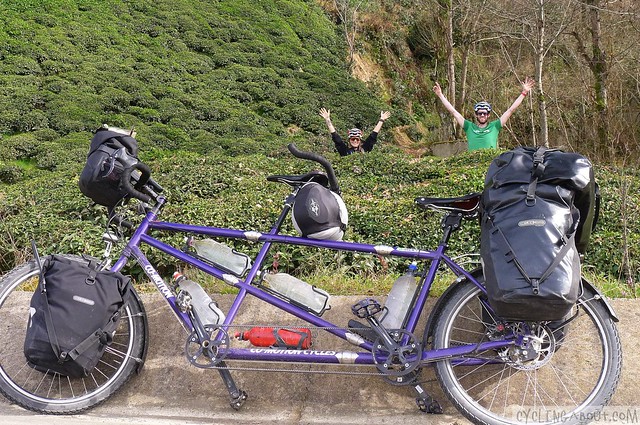
We always thought that we were generous people until, while out in the wilds and wonders of the world, we discovered that our level of generosity wouldn’t even rank as “average” in most places.
The ferocity with which people want to help their fellow humans is all-eclipsing, humbling, and incomparable. We were asked almost every day if we needed help with something and received kindness from good and great; it wasn’t just offerings of things either: people we’d just met took us under their wing and gave us a tour of their city; drivers and market-stall owners alike waved us over to fill our panniers with food – we never went hungry.
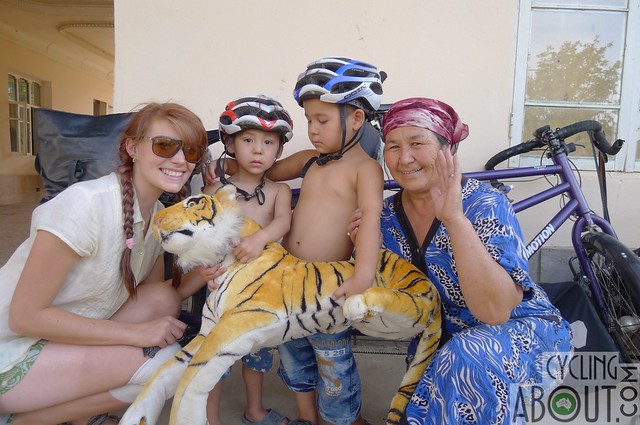
We were hosted in people’s homes and introduced to their families, only to be addressed immediately as family ourselves. People with almost nothing offered us everything they had; people paid for our tickets for transport and events, footed the bill for our meals, and even presented us with a five-star hotel room or two.
Perhaps the greatest gift we received was that people trusted us and cared for us without hesitation.
Through this constant apparition of generous “moments” on our trip, it became evident that generosity itself gives people something they couldn’t buy: emotions and connections. Whether it be happiness, love, a deeper understanding, or an experience we could share over and over, it is clear that generosity provides people with a more enriching life.
We can and will be more generous.
Our Food Choices Have Consequences
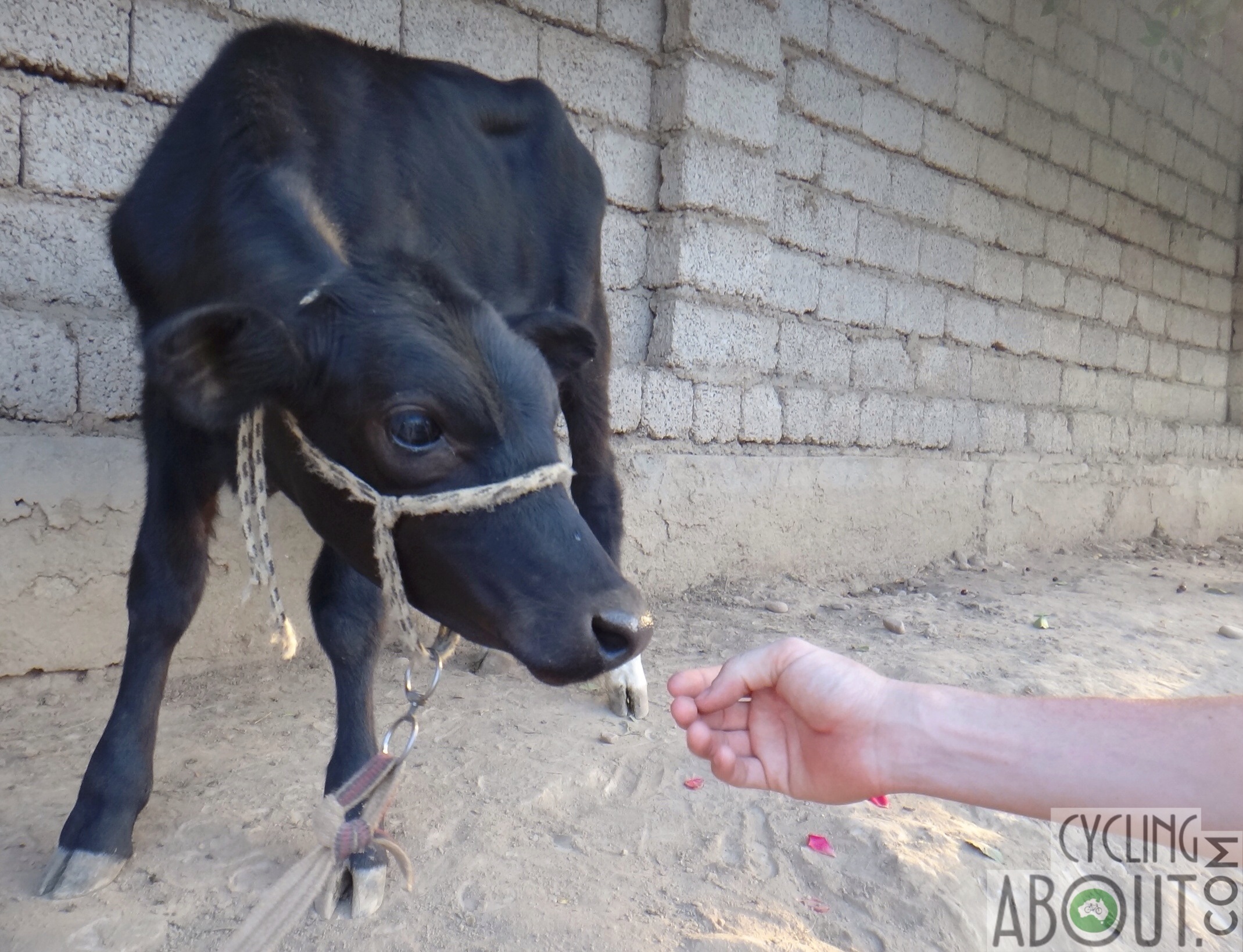
Australia is a meaty place; the world is a meaty place – and in this Western society, there seems to be a greater reliance on meat than ever before, when we should be heading in the exact opposite direction. These days, the farming of meat and most animal-based products is an incredibly wasteful and highly secretive process, with death and suffering at its epicentre.
It was a visual exposure to this needless suffering – and the cold, metallic taste of cruelty left in our mouths – that made us feel the need to address the “what” and the “why” of what we were consuming.
Witnessing an animal being brutally and needlessly slaughtered was only the first of an appalling series of experiences we had in this space. We began our trip as mostly ethical omnivores, already limiting our meat consumption. At the very least, we liked to know where our meat was coming from, as we had already found ourselves at odds with many factory farming practices.
As we travelled, we saw, heard, and almost felt animal suffering in every country and culture. We saw goats, sheep, pigs, cows, chickens, ducks, and dogs being beaten, kicked, restrained, and forced into transport. The sounds of animals in distress were not an unusual backdrop to our days, and they were impossible to ignore.
We came to realise that this was not a satisfactory way to live, with a constant sense of unease while consuming meat and dairy from animals we knew were suffering or being treated unethically.
Once we made that decision, it became something of a snowball effect. Every piece of information we encountered began to shape our consumption habits, leading to further learning and more conscious choices.
We began exploring nutrition and learned about the health benefits of a vegetarian or vegan diet. Through this process, we read, watched, and listened to a wide range of perspectives, and gained a much deeper understanding of food, diet, and eating as a form of medicine – along with how our choices impact the broader world, beyond just animal welfare.
Change has to start somewhere, so why not with us?
At home in Australia, we now eat a vegan diet that doesn’t slow us down at all. Occasional supplements can be helpful, but beyond Vitamin B12 – which is only available in animal products or in synthesised form – we’ve found that a varied, enjoyable diet is enough to sustain us, while giving us confidence that our choices are not leaving a lasting, damaging footprint on the planet.
Family Is More Than the People You Live With
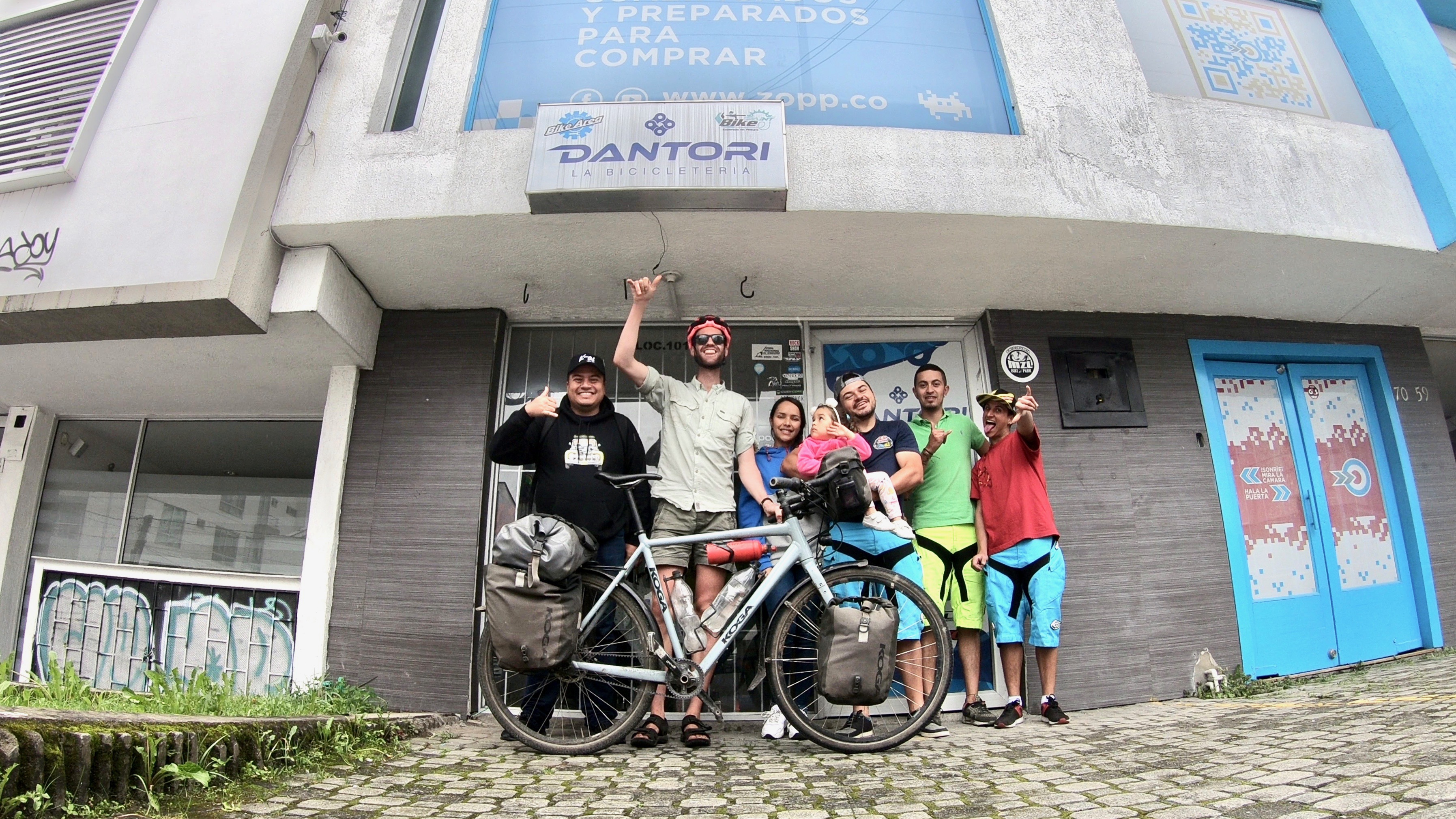
Western society’s gender roles and family roles are deeply entrenched. We are shaped by these expectations from the moment we are born – surrounded by “pink and pretty,” or encouraged to stand tall while carrying the weight of “strong and steadfast.” We are often taught to expect our mothers to raise us, and our fathers to provide for us.
But in much of the world, family roles are more fluid and interconnected. There is far greater generational overlap than in Western culture, with grandparents, aunties and uncles, siblings, and even friends all playing maternal and supportive roles in each other’s lives.
In Kyrgyzstan, family is far more than a simple “Keeping Up With The Joneses” unit. Families are not only extended through blood and obligation, but can also be chosen; they grow richer as more people are included. Family is often placed above all else, which, in our view, is a powerful way to approach life.
Family, however it is defined, plays a fundamental role in shaping our understanding of the world. So why wouldn’t it be beneficial for it to include a wider range of influences and perspectives?
Across Central Asia, Asia, and Southeast Asia, family provides a reason to rise, to work, to smile, and to live. It is the people in your life that bring contentment, not possessions. By and large, families outside Western culture tend to remain connected as a unit, often sharing homes, roles, and responsibilities, making life both easier and more fulfilling.
The elderly are valued for the wisdom they carry, rather than being isolated in retirement homes, and younger people are often given autonomy and confidence, rather than being left to navigate the loneliness of disconnection.
Western Society Treats Elderly People Poorly
Just before we left, we visited one of our grandmothers in a nursing home. She was almost 104 years old. The smell of that “home” is still easy to recall today – a pitiful mix of sterile hospital air, overcooked food, and mothballs. That smell is one we won’t miss.
Your heart drops, understandably, every time you think about or walk into these places – seeing elderly people alone and unable to do much, staring out their windows and simply waiting for their time to come. It’s heartbreaking.
For the majority of families in most countries we visited, nursing homes aren’t institutionalised in the same way. Instead, elders are valued and respected right until their final breath. It is the family’s responsibility to care for their elderly members, who tend to remain active in their homes and communities. They share years of wisdom with those around them, tend gardens, and support younger generations; they live full lives right up until the moment they die because, ultimately, they are valued in society until then.
It’s sad, and somewhat confusing, that elders aren’t respected in the same way in much of the Western world; they clearly need to be.


What a beautiful and encouraging read. To be honest, this is the kind of experience, not to say enlightenment, that I wish to have, too.
I re-discovered cycling about a year ago and am maneuvering myself towards longer and longer tours, and since not too long ago I find it actually realistic to do a circumnavigation a year or two from now.
However, I have to say that I am afraid that my current personality is too closed-minded and … well, too afraid, that I could have this kind of experience as well, even if I circumnavigated the world three times in all directions.
Can I deliberately use touring (be it by bike, trike, on foot, or whatever suitable transportation) to open my mind, lose fear, learn to accept, approach and love strangers, even if I am not the most open and outgoing person?
How much of an initial spark does there need to be? I can see myself starting to tour the world on a bike, sleeping alone in my tent every night and not talking to anyone for three months, before I turn around and go back out of loneliness, disappointment and boredom.
“Above: A calf in Uzbekistan. We love animals too much to ever consume them (or their products) again.”
Did you get rid of your Brooks leather saddles after you decided?
Amazing post. Thank you for your insights! Definitely inspired me to go out and travel on my bike.
Wow, what a decidely mean spirited comment you’re senselessly making. Maybe they decided that would be even more wasteful.
Asking ethical questions is mean-spirited?
Go crawl back under your rock.
Oh, it’s ethical to waste a piece of leather at that point? I’m the one who has my head under a rock? Seems like you’re more concerned with image of ethics than it being applied pragmatically. Sorry if you weren’t deliberately trying to be cheeky in your original comment.
Apology accepted.
Cheer up.
At the time when Kat used a Brooks, wasn’t vegan. She actually stopped using the Brooks when it became uncomfortable for her; she’d probably continue to use it if that wasn’t the case. All purchases these days are 100% vegan. 🙂
Get out there, Mark! Adventures are waiting… 🙂
When you travel by bike, you will find yourself in positions where you NEED to rely on others to help you. With every one of these scary-but-necessary moments, you will overcome a hurdle and move a step forward, no matter your personality. Sure, someone outgoing may find it quicker and easier, but you’ll get there. It ended up taking us lots of time, as it will you, to lose our fears and open our minds. The world is unknown, and that’s scary! You’re going to have to be patient…
Initially, we really wanted to be reliant on ourselves and less-of-a-burden on others. We felt embarrassed asking other people for directions or advice and were funny about getting hosted by others. It took several first-hand stories from fellow travellers for us to feel comfortable asking if we could stay with locals. We slowly discovered that people around the world really WANT to help wherever they can! Everyone gets so much out of connecting with you, and combined with the fact that they’ve made your day easier, it makes them happy!
It took us at least six months to find our feet and feel open to a lot of the opportunity that came our way. After eight months we began to seek out opportunities. We got burned once early on that took us back a notch, but the longer we travelled, the more trust we had built up. After about a year, we noticed that we were no longer interested in any tourist attractions, we just wanted to know more about people. Every day we were becoming more and more accepting, trusting and loving of the unknown.
Out of all the long-term bike travellers I’ve ever met, not one hasn’t changed as a result. I’d recommend starting your travels in places where people will regularly approach you: developing countries. You’ll meet so many good people who just want to know something about the outside world, or maybe they just want to practice their English. We found that people took so much time out of their day for us right across Asia.
To expedite the process of trust, I’d recommend travelling through Islamic countries. People will approach you offering their assistance and offers of good-will all the time. Give it all you’ve got and trust that you’ll have a great experience with them – because you definitely will.
Now get out there and expand your mind!
Alee
My intuition would have been to start close to my home, to accustom myself to touring, but what you say sounds plausible. Thank you very much for your reply and advice!
Anytime! Feel free to contact me if you have any other concerns.
Wow! great post thanks
My pleasure!
Hi, my name is Stephen Berry.I’m 51yrs old.I lost my licence in 1984, and by choice never tried to get another one. I’ve been biking exclusively ever since. I realy enjoyed reading your 11 lessons. I am a recovering addict so this “kind” of reading really touches my spirit. I just want you to know “you helped me get through this day. Thank you :)” 12/21/2015.
Thanks for the kind words, Stephen. 🙂
I think this is my favourite article of all of your writings. It encourages me to live happy, be open, to connect. I will share it with my friends, and our now-forming biking group at work!
Awesome, thanks!
Now she can use a Brooks Cambium saddle; made of linen and rubber it’s all natural and great for vegans.
great read! especially now, being in the middle of year and a half bike tour from Australia to Europe. my thoughts are pretty similar and its amazing, that cycle tourists we met on the road, share the same kind of overall thoughts about the long trip and the way that changed their lifes.
Alee, thanks to you. People like you help making this world a better place. Keep your mind open and let the thoughts find the right place. I understand everything you write and fully agree. Maybe someday we meet at a beautiful place on this planet. Cheers, Konstantin
Thanks for the kind words!