


Many people believe that animal protein is essential for a healthy, active lifestyle, especially when you’re spending hours on the bike every day.
After more than a decade of eating plant-based, travelling across continents, and competing in challenging bike races, I can confidently tell you that bicycle touring vegan isn’t difficult at all. You just need to know the basics and prepare well.
This guide shares my experience cycling through over 70 countries on a vegan diet, with practical advice on what to eat, how to find food, and how to stay nourished and energised on the road.
Whether you’re a seasoned vegan or just curious about plant-based travel, I’ll show you how simple and rewarding it can be to fuel your adventures without animal products.
Preparation For Vegan Bicycle Touring
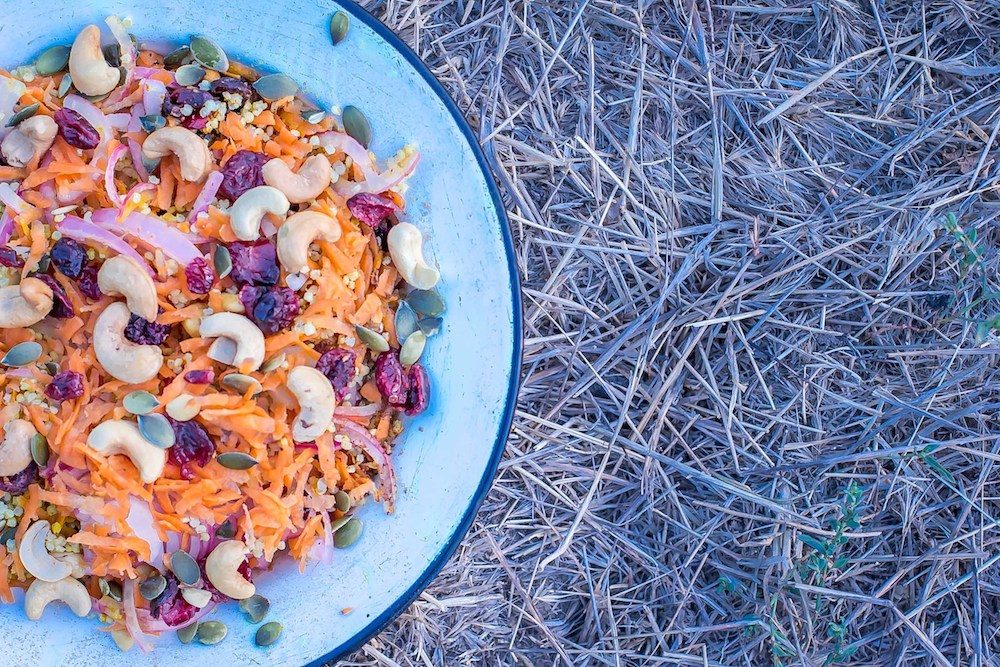
Believe it or not, I’ve never gone without a meal. The key to successful vegan travel is preparation. In some countries, that’s a breeze; in others, it takes a bit more effort.
With a little research, you can figure out what foods are available and how to get your hands on them. Sometimes, it just means carrying a bit more food than the average bike traveller. Most of the time, I prepare my own meals using ingredients from supermarkets, convenience stores, and petrol stations.
It’s helpful to find out:
- A veg- or vegan-friendly restaurant to head to on your first night, so you’re not scrambling for options when you arrive
- What kinds of plant-based foods are commonly available in local restaurants and stores
- Whether you’ll need to cook for yourself (and if so, whether to bring cooking gear)
- A few key words and phrases in the local language to help you navigate menus and ask questions
What Do Vegans Eat?
Here’s a list of the foods I typically rely on when I’m on the road:
Breakfast
Oats, seeds (chia, sesame, linseed, flax), muesli, cereals, fruit, dried fruit, bread, coconut, peanut butter, jam, soy/almond/coconut milk.
Snacks
Nuts (peanuts, walnuts, almonds), dried fruit (apricots, prunes), muesli bars, regular fruit (all), avocados, peanut butter, jam, bread, dips, potato chips.
Lunch/Dinner
Rice, pasta, noodles, quinoa, couscous, bread, tortillas, chips. Vegetables (all), beans, chickpeas, lentils, tofu, tempeh, desiccated coconut, canned vegetables, dips (hummus). Curry powders, vegetable stock cubes, pasta sauce, soy sauce, hot sauce, spices.
Or more specifically: sandwiches, wraps, pasta, pizza, curries, soups, stir-fried noodles, salads, and nachos.
Sweets
Dried fruit, regular fruit, liquorice, muesli bars, biscuits, dark chocolate, coconut chocolate, sorbet ice cream.
Eating at Restaurants
In countries where you don’t speak the language, learning just a few key words can make a big difference. Despite what you might expect, people are often incredibly accommodating and genuinely want to help.
When I arrive in a new country, I always find someone who can help me translate and pronounce the term for “vegetarian food” correctly. I also get the following phrases translated: “I don’t eat meat,” “no meat,” “no fish,” “no eggs,” and “no milk.” These are usually enough to communicate my dietary needs clearly.
It’s also smart to have everything written down – especially if the language uses a different script, like Chinese or Arabic.
I’ll mention that I’m a vegetarian as soon as it’s appropriate. If the waiter looks confused, I try repeating myself more slowly or in a slightly different accent. If that still doesn’t work, I will show the written translation. When food is on display, I’ll give a thumbs-up or thumbs-down to each dish as a visual cue.
Knowing the names of a few local vegetarian or vegan dishes goes a long way too. During my first few days in a country, I pay attention to what plant-based meals are common and use that knowledge as a guide when ordering. In some cases, you might even be invited into the kitchen to point out ingredients or dishes you’d like – an effective and interactive way to make sure you get something suitable.
It might sound like a hassle, but in reality, these interactions are almost always met with kindness. Sometimes it takes just 10 seconds to explain, other times a few minutes. Either way, stay patient, be polite, and always thank the staff warmly – they’ll remember your gratitude.
Staying With Local People
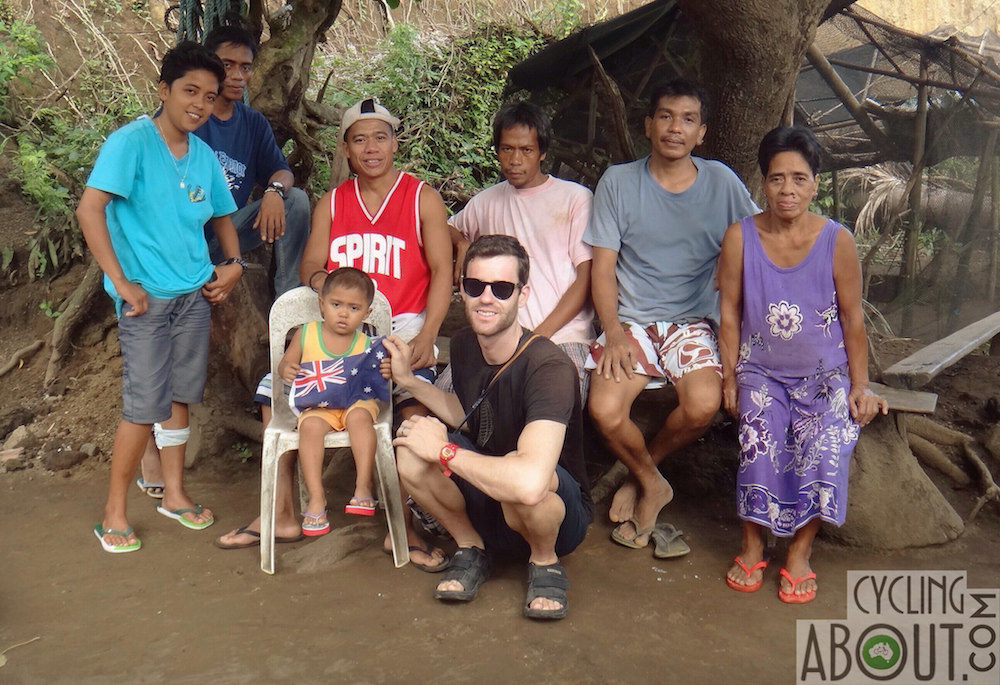
This is often the trickiest part of vegan travel, but luckily, there are plenty of ways to make it enjoyable and stress-free for everyone involved.
The most important thing is to be very clear with your host that you don’t eat animal products – ideally as early as possible. If you’re arranging a stay through platforms like Couchsurfing or Warm Showers, make sure to mention your dietary needs in your initial request. Try to avoid the awkward situation where someone has gone out of their way to prepare a non-vegan meal just for you.
The good news is that people who host touring cyclists are usually open-minded and genuinely curious about veganism.
That said, it can still be daunting for someone unfamiliar with plant-based cooking to figure out what to make. To ease that pressure, I like to cook for my hosts on the first night. It’s a great way to break the ice, share a few vegan cooking tips, and give them ideas for any future meals they might want to prepare.
I also recommend bringing your own breakfast and lunch supplies – it’s not fair to expect your host to cater to your diet 100%. In fact, I made a habit of doing this even before I went vegan.
Cycling in Remote Areas
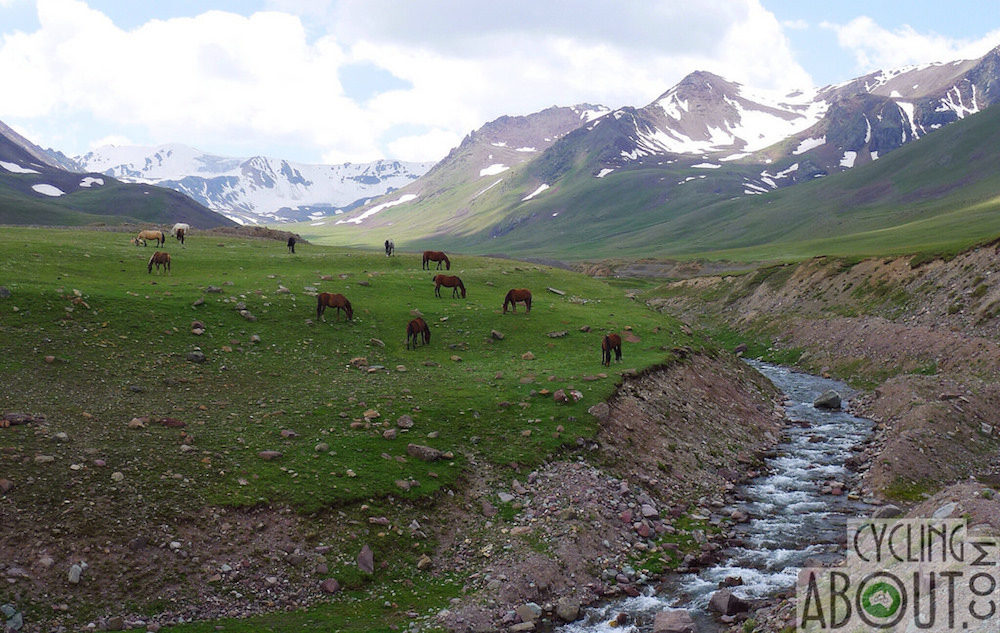
When cycling through remote areas, preparation is everything.
Just like any bike tour, you’ll want to map out where you can restock food and make an educated guess about what might be available along the way. I often carry a bit of extra food – just in case supplies are more limited than expected.
Some vegetables hold up really well on the road and are great for remote travel. Think carrots, potatoes, pumpkin, onions, and garlic. These staples are not only long-lasting, but they’re also commonly found in remote areas where fresh produce isn’t delivered daily. Canned vegetables are usually available too and can be a reliable fallback.
If you’re a little more organised, dried beans or lentils are a great option. They’re lightweight and can be soaked in a water bottle (bidon) throughout the day. For the especially prepared, using a dehydrator to pack a few days’ worth of fruits and vegetables is a great trick borrowed from hikers, perfect for longer rides in the wilderness.
Eating Enough
Lightheadedness is something new vegans sometimes experience, especially during physical activity. But more often than not, it’s not due to a lack of nutrients – it’s simply not eating enough food.
Since most plant-based foods are high in fibre and low in calories, you’ll need to increase your portion sizes to meet your energy needs. On a bike tour, that’s actually a bonus. You can eat until you’re truly full, guilt-free, and know you’re fueling your body properly!
Vitamins and Minerals
Despite the stereotype that vegans live on nothing but healthy salads, it’s entirely possible to be an unhealthy vegan. After all, you could survive on bread and potato chips if you really wanted to…
That said, if you’re not paying attention, a few nutritional deficiencies can creep into a vegetarian or vegan travel diet:
B12: This vitamin is tricky to absorb from plant-based sources. While my blood tests have never shown a deficiency, I still use a B12 throat spray as a precaution. Alternatively, some people opt for an annual B12 injection to stay on top of it.
Iron: Iron absorption can be an issue for some people, especially women, when relying on plant-based sources. If you’ve ever struggled with low iron, it’s a good idea to talk to a healthcare professional and supplement as needed. A practical tip: snack on lots of nuts and seeds, which are rich in iron, and include dark leafy greens in your meals whenever possible.
With a bit of mindfulness, it’s easy to stay on top of your nutrition and keep your energy levels high on the road.
It will help to familiarise the food infographic below (I have one printed in my kitchen when I have a home).
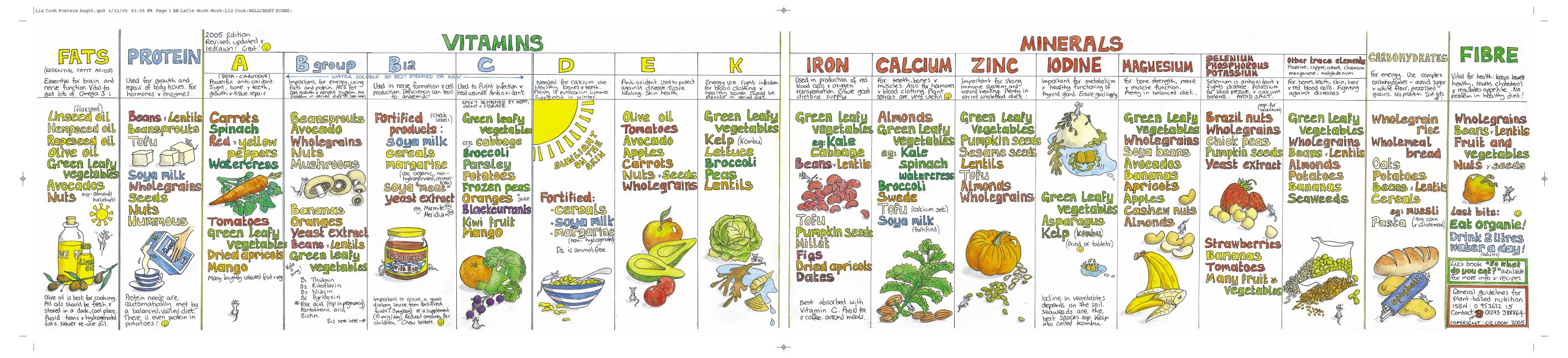
My top tip for a balanced diet is to eat as many vegetables as you can, especially the green ones (the darker the better). They’ll help you feel great and provide the vitamins and minerals you need to keep cycling all day.
It’s also worth mentioning that fruit makes an incredibly convenient snack and is available almost everywhere around the world. The same goes for nuts and seeds – they’re easy to carry and packed with nutrients.
Flexibility Will Help
I totally get that the idea of consuming animal products can feel really daunting when you’re vegan. But remember, you can only control so much. Even when you do your best to find and order nutritious, plant-based meals, there might be times when you need to be flexible for the sake of your health.
During my travels, I’ve occasionally chosen to eat meals that include small amounts of fish sauce, animal broth, egg, cheese, or even a bit of chocolate, rather than waste food or risk offending someone.
While I definitely don’t enjoy these meals in the same way, knowing I’m doing my best helps me feel like I’m still living in line with my values.
Frequently Asked Questions
Aren’t You Weak?
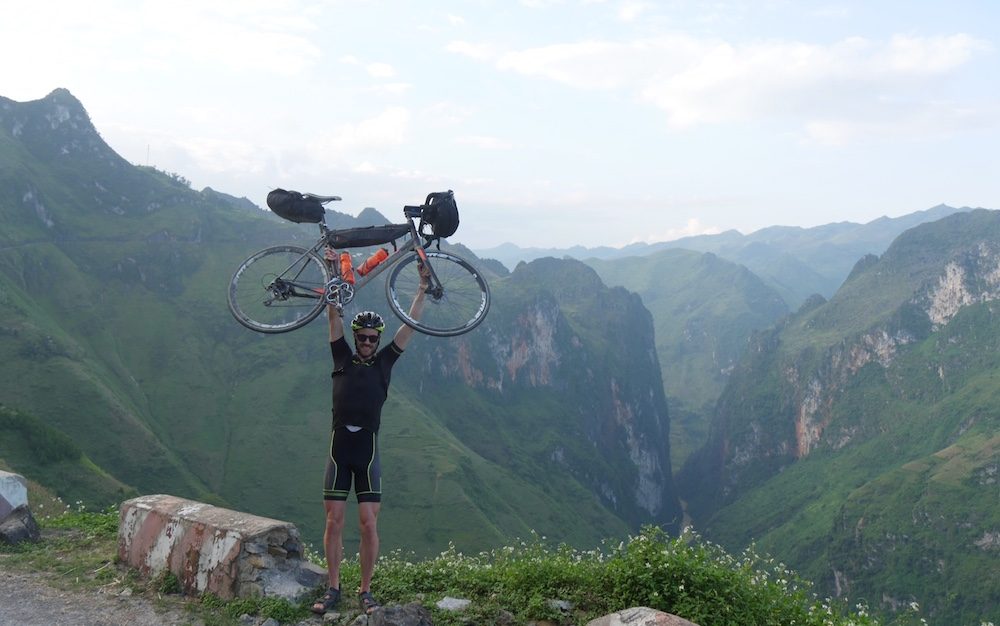
No – that’s just a myth.
I’ve literally ridden my bike for 24 hours straight and climbed some of the biggest mountains faster than almost anyone I know. How? Because I eat well and ride a lot. Being vegan hasn’t held me back at all; in fact, it’s made me more mindful about choosing the best foods to fuel my body.
What About Protein?
There’s no need to link protein directly with health and strength – plant-based sources provide more than enough. In fact, if you’re eating a balanced, healthy diet, you probably don’t even need to worry about protein intake.
But if you like to track your numbers, for daily bike touring, aiming for about 1.0 to 1.5 g of protein per kilogram of body weight is plenty – and it’s easier than you might think.
Plant-Based Protein Per 100g (3.5oz) in Weight
2.50g – Potato
2.58g – Brown Rice
2.90g – Spinach
4.40g – Quinoa
4.83g – Kidney Beans
4.86g – Pinto Beans
5.36g – Green Peas
7.79g – Macadamia Nuts
7.80g – Lima Beans
8.80g – Wheat Bread
8.90g – Garbanzo Beans
9.02g – Lentils
9.50g – Pecans
13.10g – Soybeans
15.03g – Walnuts
15.31g – Cashew
15.60g – Chia Seeds
16.89g – Oats
17.19g – Tofu
19.50g – Flaxseed
21.35g – Pistachio Nuts
22.09g – Almonds
23.00g – Hemp Seeds
25.09g – Peanut Butter
32.97g – Pumpkin Seeds
Summary
Travelling the world on a bike while following a vegan diet is not only possible, it can be an incredibly rewarding and healthy way to explore. With a bit of preparation, openness, and flexibility, you can enjoy a varied and nutritious plant-based diet anywhere, from bustling cities to remote wilderness.
Remember, successful vegan bike touring comes down to knowing what foods to look for, how to communicate your dietary needs, and carrying a few essentials to keep you fueled when options are limited. Pay attention to your nutrition, especially protein, iron, and B12, and don’t hesitate to adapt when needed – your health and energy are what matter most on the road.
Above all, embrace the kindness of strangers, enjoy the challenge of discovering new foods and cultures, and trust that a plant-based diet can support your cycling goals and adventures every mile of the way.
Other Bicycle Touring Vegan Cyclists
Marc Michel @ MarcMichel
Ray Pokai @ Vegan Bicycle Touring
Dave and Jen @ Long Haul Trekkers
Cynthia and Max @ WorldByWheel
Olga and Michel @ Rausgefahren
Luba and Tom @ StepOutsideAndExplore
Carmen Mickley @ Vegan Cycling
Dakota and Chelsea @ Traipsing About
Tristan Bogaard @ TristanBogaard
Isis and Clement @ Enjolivelo

Thanks for a great article! Anyone visiting numerous countries may find this useful: https://www.vegansociety.com/shop/books/lifestyle-books/vegan-passport.
That looks really handy. Thanks!
Please correct the article — Vietnamese is NOT written with “alphabet characters are different to your own [English]” any more than French or Spanish is.
Vietnamese uses normal Latin letters, like English. Vietnamese words often have added diacritic marks just like French and Spanish do. Also, the Vietnamese can easily read a phrase with the marks missing — as they often skip them in SMS text messages.
Another suggestion for places like Vietnam and Thailand (or large Buddhist population country) is to learn to say “eat Buddhist food”. Buddhist are vegan — eating nothing from an animal.
This is great news Alee. I’m new to cycle touring.Being following you for sometime now and highly recommend your website to everyone.Now to top it all off your Vegan too.Brilliant!.
Yes,the animals in developing nations like India get treated really badly.It’s so sad.Thanks for going Vegan and all your cycle touring advice.
Thanks for the kind comment, Ian.
Amended.
Great tip!
Thanks. This (Vietnamese using Latin characters) makes it *SO* much easier to get around on your own. If you need to write down something (map, sign, etc…) skipping the diacritic marks, you can show them to a Vietnamese later and they can understand them. I had a great single-person 6 day bike tour south of Hanoi this past summer.
When I was in Beijing, I found most cannot read my poor attempts at copying Chinese characters from signs, and few could read and understand Romanization of Mandarin I’d copy from tourist maps or the Internet.