


Bicycle belt drivetrains have traditionally occupied a niche corner of the cycling market. While they’re known for being clean, quiet, and low-maintenance, widespread adoption has been held back by three main limitations.
The limitations include:
-
Incompatibility with derailleurs, meaning they’re limited to bikes with internal gear hubs or gearbox drivetrains.
-
The need for a special frame design to fit the one-piece carbon belt.
-
Limited availability of replacement parts in most bike shops.
But that’s changing fast. With eBikes now making up over 50% of bicycle sales in Europe, and more of them adopting internal drivetrains, the belt drive segment is experiencing a surge in innovation and industry interest.
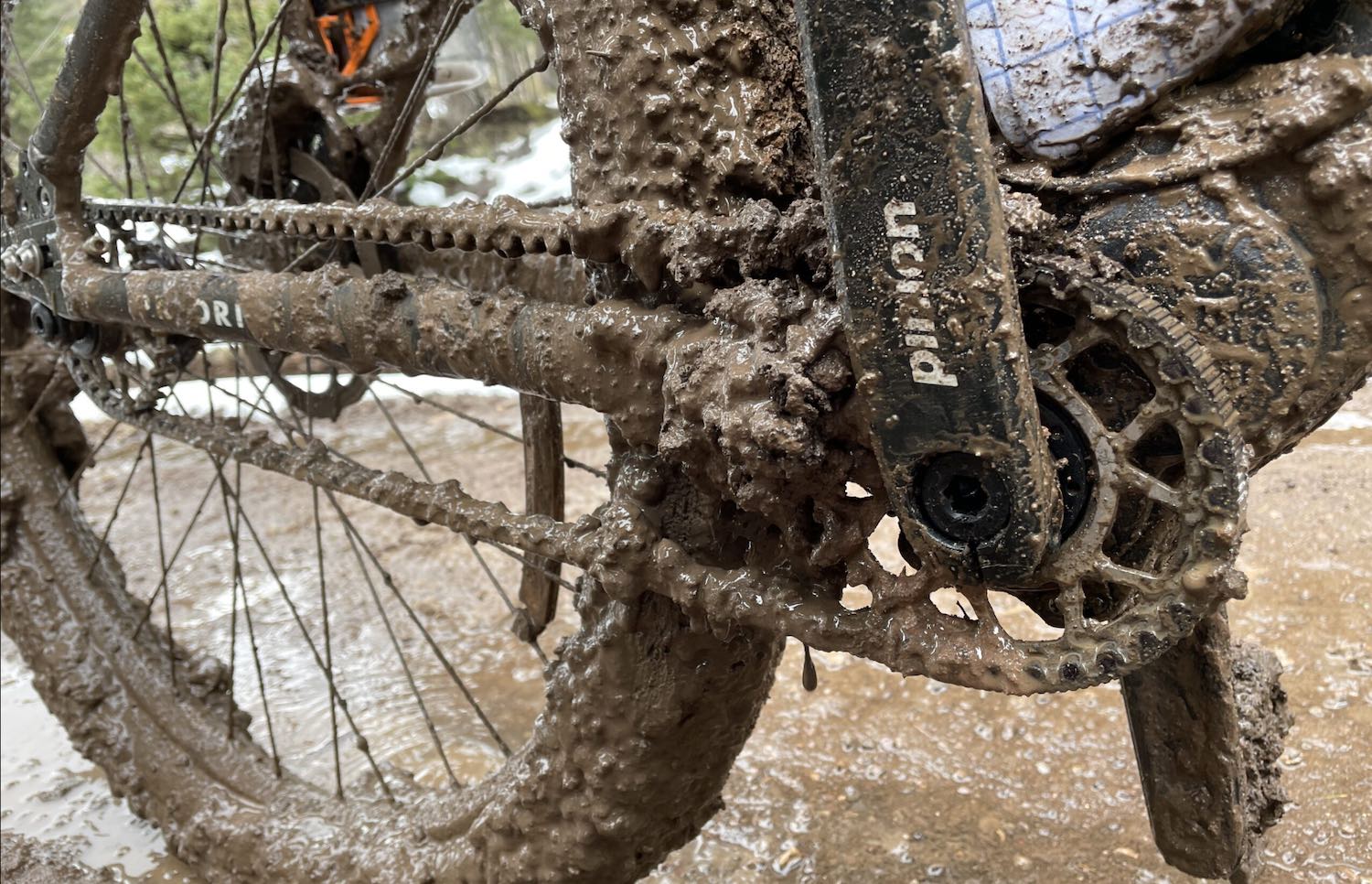
Gates dominates the belt drive market by a wide margin. Their systems are clean, low-maintenance, highly reliable, and built to endure extreme weather conditions.
I can personally attest to the durability of the Gates CDX system. I’ve ridden over 160,000 kilometres on various Gates drivetrains with minimal issues. You can find my full thoughts on why I believe belts outperform chains HERE.
In this article, I’ll introduce you to four exciting new bicycle belt drivetrain systems unveiled at Eurobike, the world’s largest bike trade show. After speaking directly with the product managers and engineers behind each one, here’s what I learned…
Hutchinson Crossdyn Belt Drive

Hutchinson, best known for its work in automotive and industrial products, is bringing its deep engineering expertise to the bike world with the launch of its new bicycle belt drivetrains.
The Hutchinson Crossdyn belt drivetrain is designed as a premium alternative to traditional chain drivetrains. It’s cleaner, quieter, and significantly longer-lasting. It’s estimated to last twice as long as a conventional chain, making it ideal for high-mileage riders, commuters, and eBike users who value low maintenance and high reliability.
At the core of Hutchinson Crossdyn is a patented new belt architecture:
-
The moulded rubber teeth ensure efficient, slip-free power transfer. This makes the system particularly well-suited to modern mid-drive eBikes, where torque levels can easily overwhelm traditional drivetrains.
-
A central guiding rib maintains perfect belt alignment within the drivetrain’s V-shaped cogs. This rib not only prevents derailment but also helps maintain a quieter ride and reduces wear over time.

The ribbed profile is also designed to self-clean, actively shedding mud, water, and debris to preserve performance across varying weather and terrain conditions, whether you’re riding through winter slush or dusty summer trails.
Crossdyn is compatible with both mid-drive and rear hub motor eBikes, as well as regular (non-electric) bikes, making it versatile for a wide range of applications, from urban commuters to trekking and adventure touring bikes.
Hutchinson is also investing in OEM partnerships and aims to grow aftermarket support, so belt tensioners, sprockets, and spares may soon become more accessible than we’ve seen with some smaller belt drivetrain players.
Overall, Hutchinson Crossdyn is shaping up to be a serious new contender in the belt drive space, especially as eBike adoption continues to surge and rider expectations for drivetrain longevity and cleanliness rise with it.
Optibelt Twin Track and Single Track
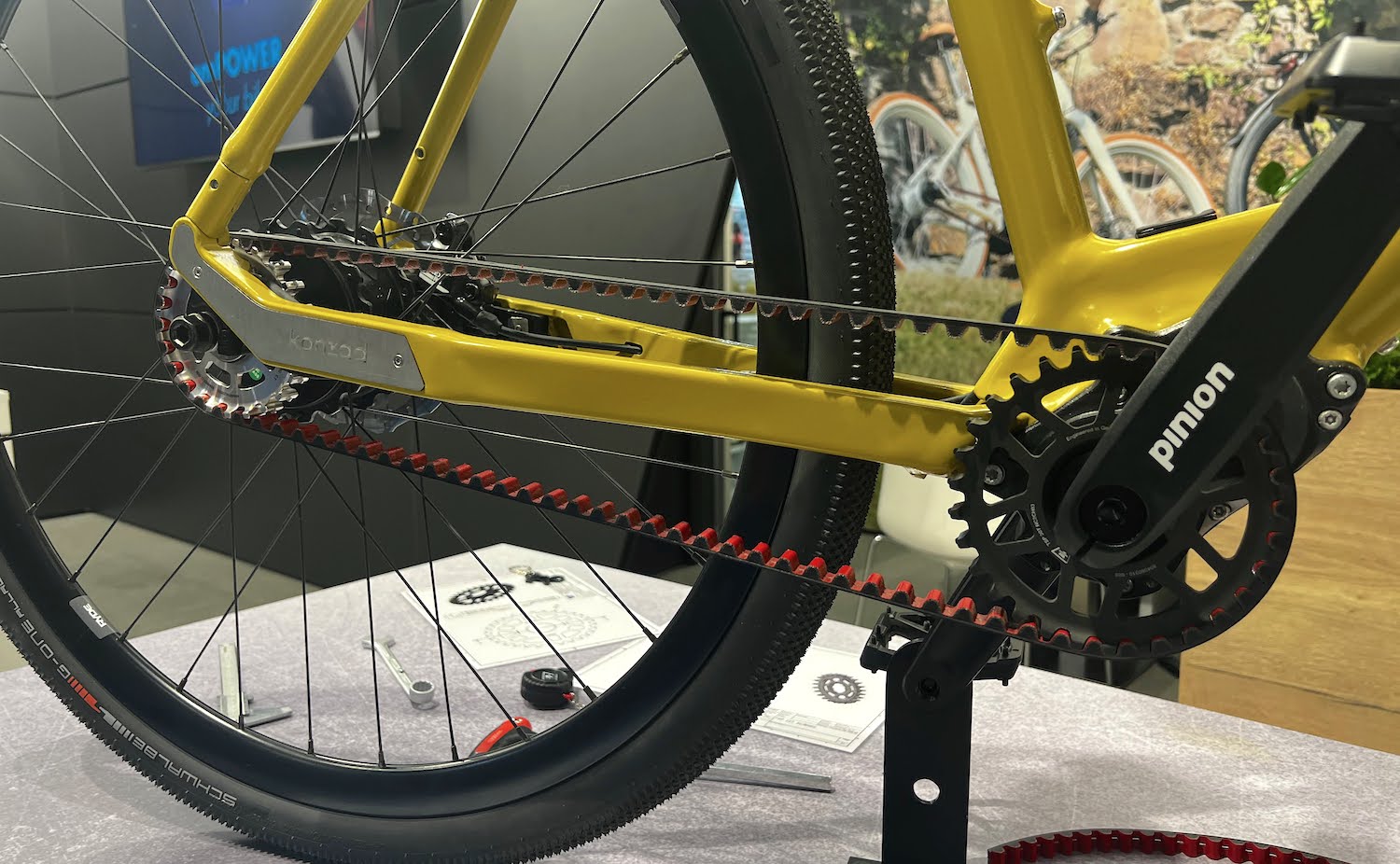
Optibelt offers two new belt drive systems from Germany, aiming to take on the established Gates setup.
The Twin Track (TTX) model uses eight carbon fibre tensile cords to provide high strength and durability. Like Gates, it features a centre track design on the sprocket to maintain belt alignment and prevent derailment. However, Optibelt takes a slightly different approach when it comes to retention.
The sprocket teeth are designed to penetrate deep into the belt, offering a more secure mesh and potentially improved power transfer than other belt drive options. The teeth themselves are slightly deeper than those on a Gates system, which may also aid in handling higher torque loads and reducing slippage.
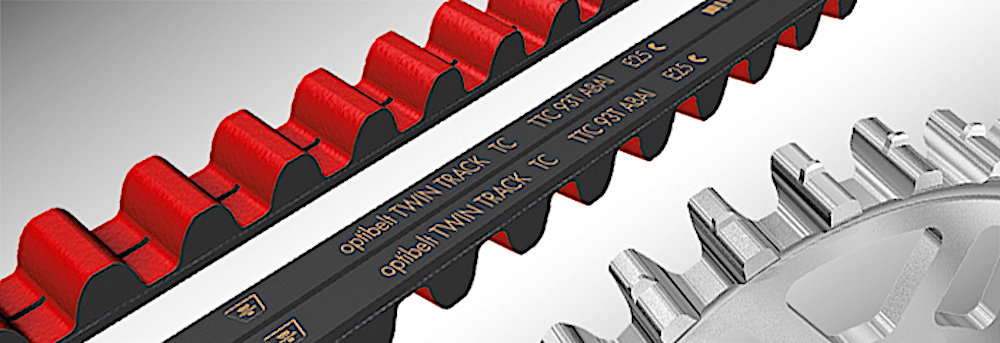
Optitrack TTX is already off to a strong start in terms of compatibility. It’s available in 17 different belt lengths, making it adaptable to a wide range of frame sizes and drivetrain setups.
At the crankset, Optibelt offers front sprockets for 4-bolt, 5-bolt, and Pinion crank interfaces, while the rear sprockets are compatible with both Shimano internal gear hubs and HG 9-spline cassette bodies. This level of flexibility should make integration relatively straightforward for bike manufacturers and custom builders alike.
Only time will tell if it can match the long-term durability of Gates’ proven CDX system. While the design and specs are promising, real-world testing across thousands of kilometres will ultimately determine how well it holds up under sustained use.
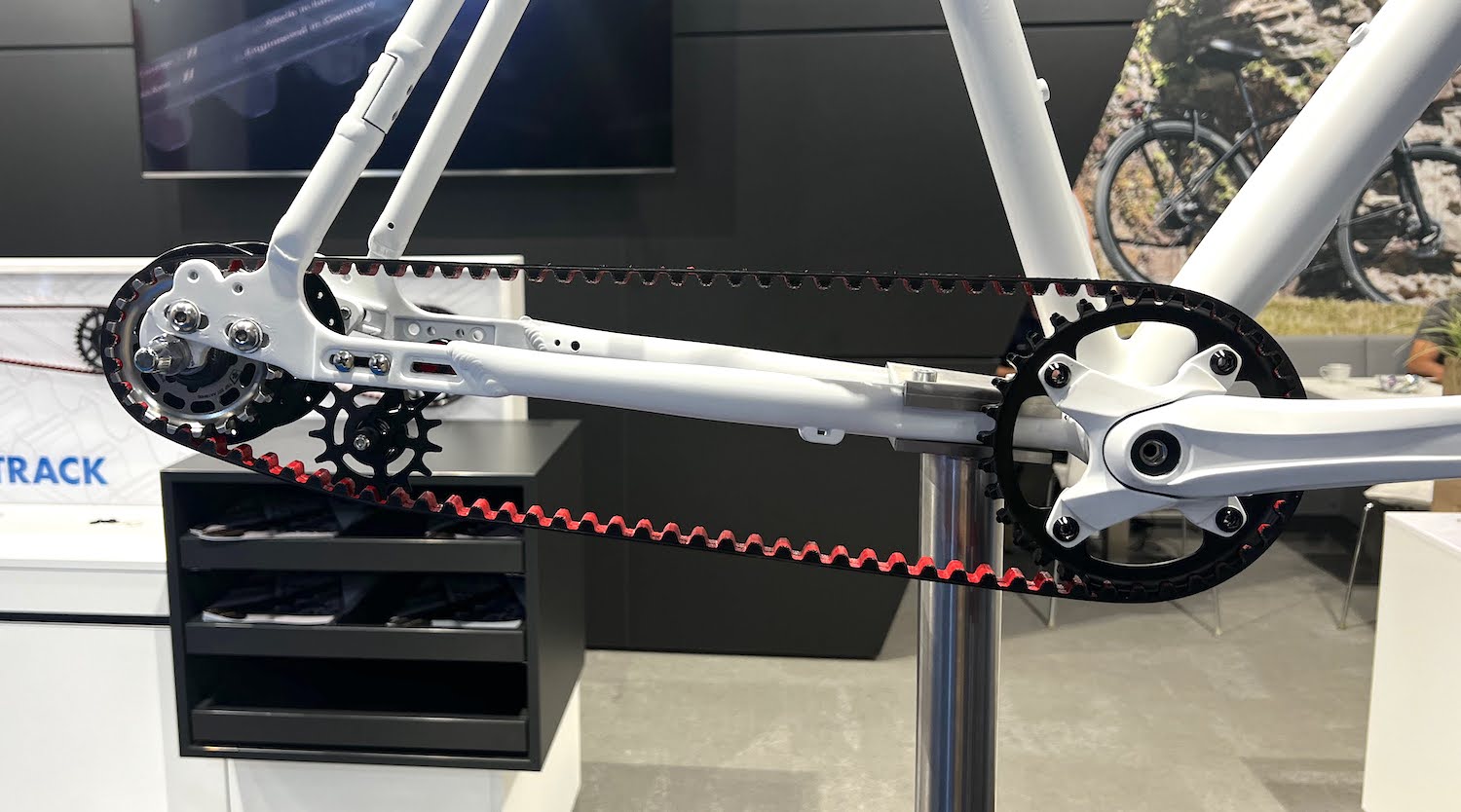
The Optibelt Single Track (STX) is the brand’s second belt drivetrain, positioned as a more affordable option for urban and commuter bikes.
Unlike the higher-end TTX system, STX uses slightly fewer carbon fibre tensile cords, striking a balance between strength, durability, and affordability. Instead of having the sprocket teeth penetrate deeply into the belt, STX also relies on side flanges on the sprockets to maintain alignment – a guiding method similar to that of Advanced Belt Drive (shown below).
This simpler guiding method reduces manufacturing complexity and cost, making STX a practical option for everyday city bikes without compromising too much on performance.
Veer Bicycle Belt Drivetrains
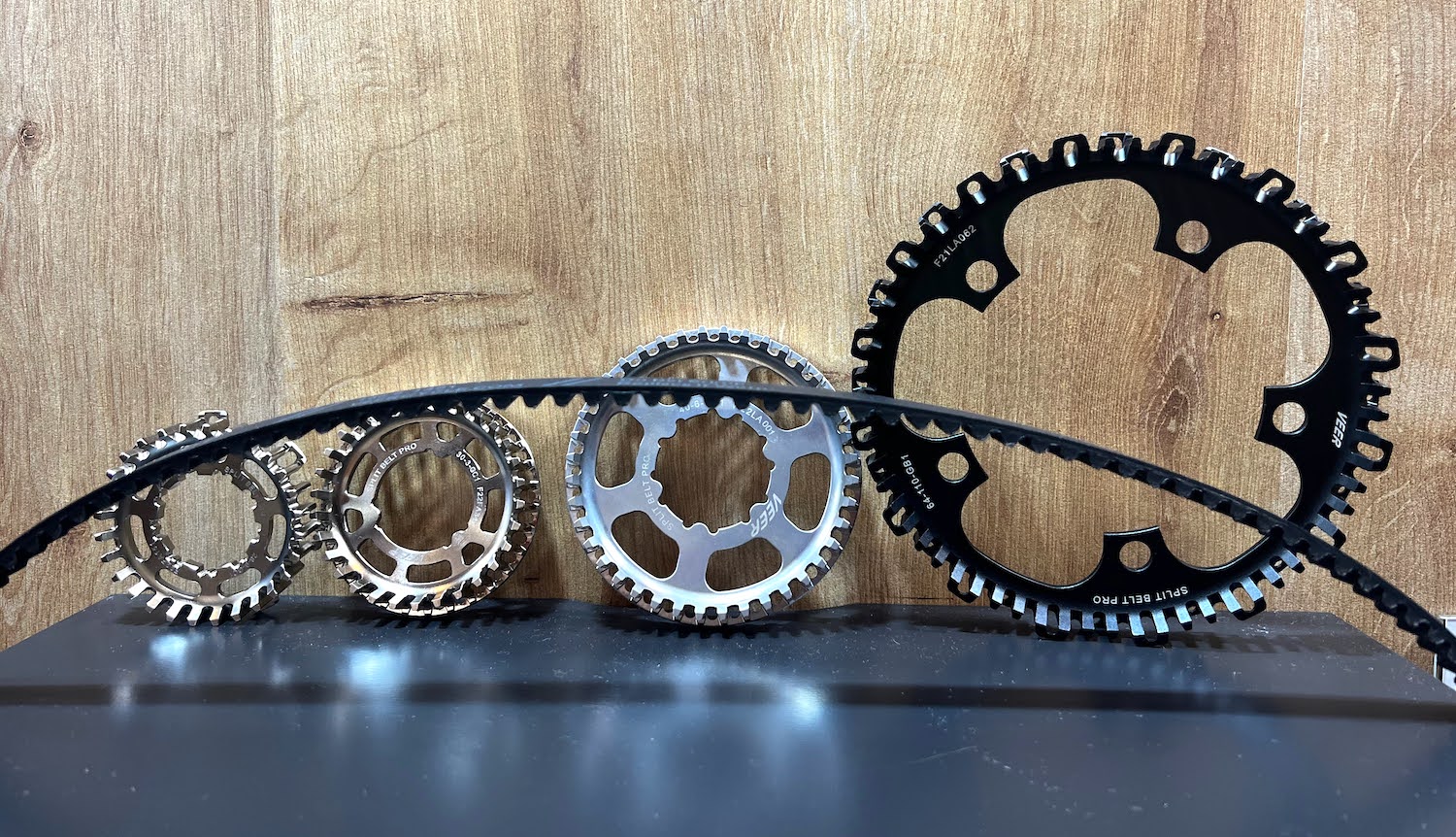
Veer is best known for its innovative split belt design. These unique belts have been on the market for four or five years and stand out for one key reason: the belt itself can be separated and rejoined, allowing it to be retrofitted to virtually any bike, no frame split required.
However, with an increasing number of bicycle frames now being designed to accommodate one-piece belts (driven largely by Gates’ influence), Veer has identified a new opportunity. They’re now expanding their lineup to include non-splittable belt drivetrains as well, catering to bikes that already support traditional belt systems.
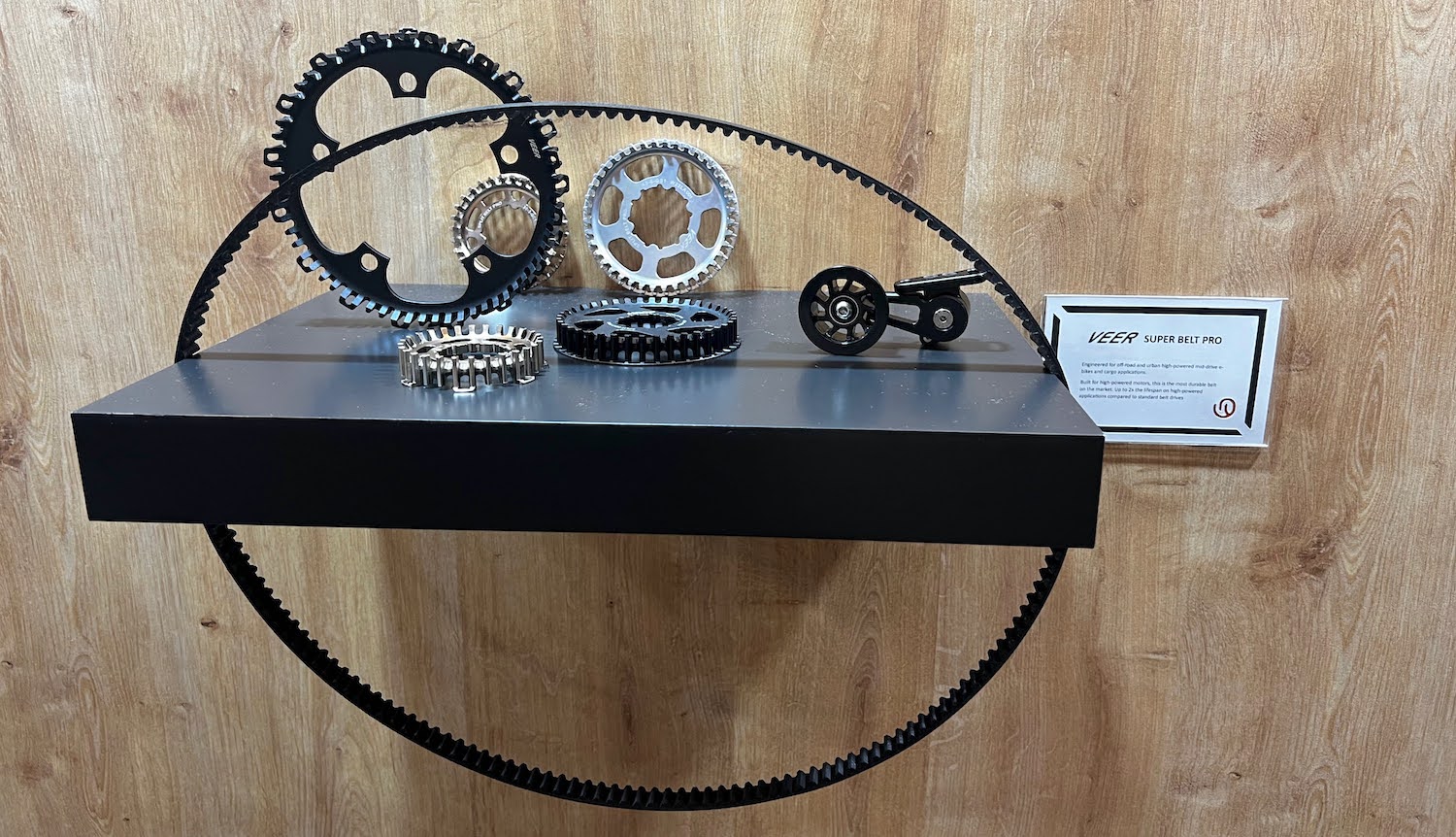
Veer’s latest offering, the Super Belt Pro, is designed specifically for high-torque eBike motors and off-road mountain biking applications where durability is absolutely critical.
According to Veer, the Super Belt Pro is the most durable belt on the market, engineered to withstand the extreme forces generated by powerful electric motors and the harsh conditions of off-road riding. It’s positioned as a heavy-duty solution for riders who demand maximum strength and reliability from their drivetrain, especially in challenging terrain or under heavy load.
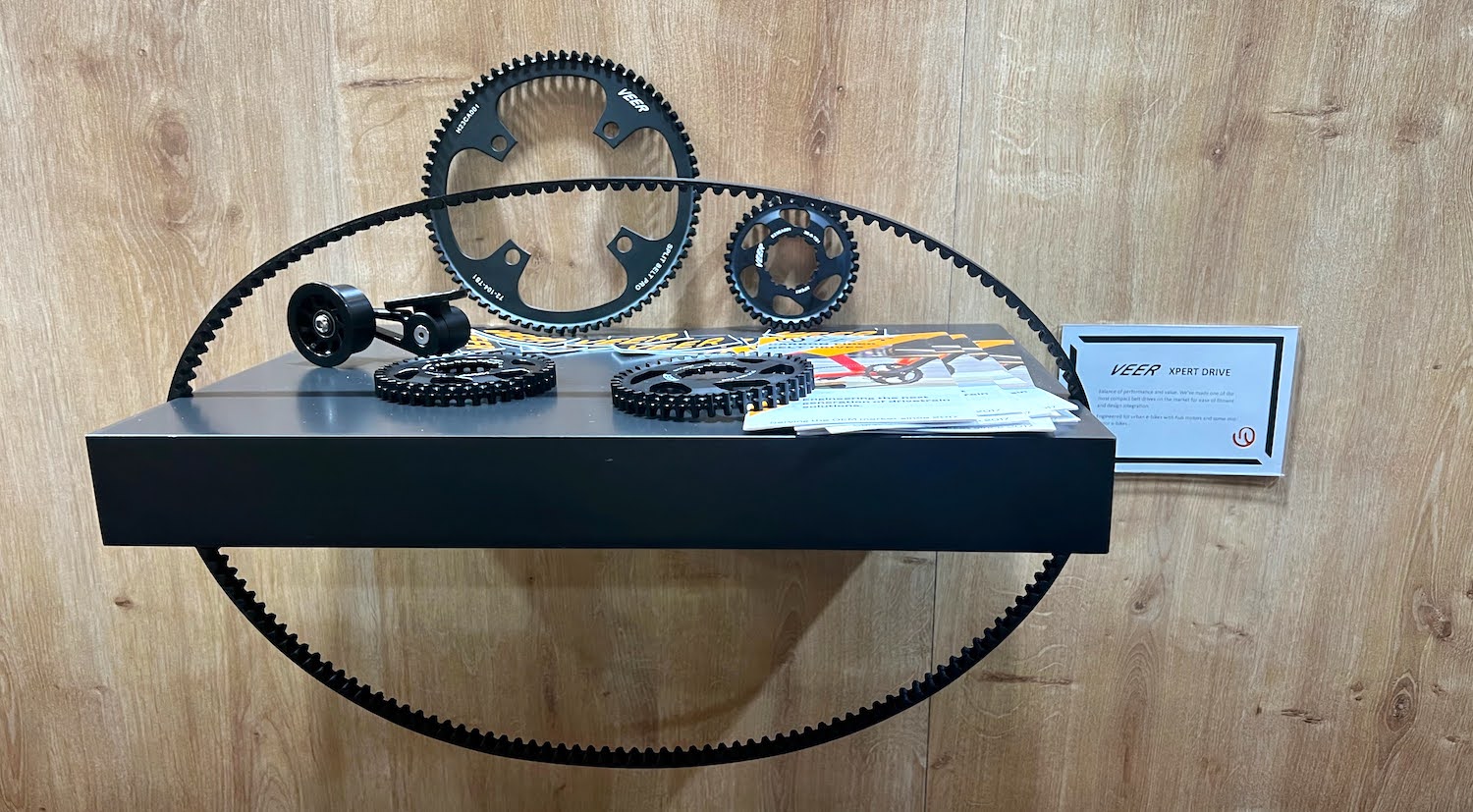
Then there’s the Veer Xpert Drive, which is designed to strike a balance between performance and affordability. This system is aimed at low-power eBikes and urban commuters, offering a reliable and low-maintenance belt drivetrain at a more accessible price point.
While it may not have the heavy-duty specs of the Super Belt Pro, the Xpert Drive is still eBike-certified and well-suited for everyday city riding, making it a practical option for riders looking to upgrade from a chain without breaking the bank.
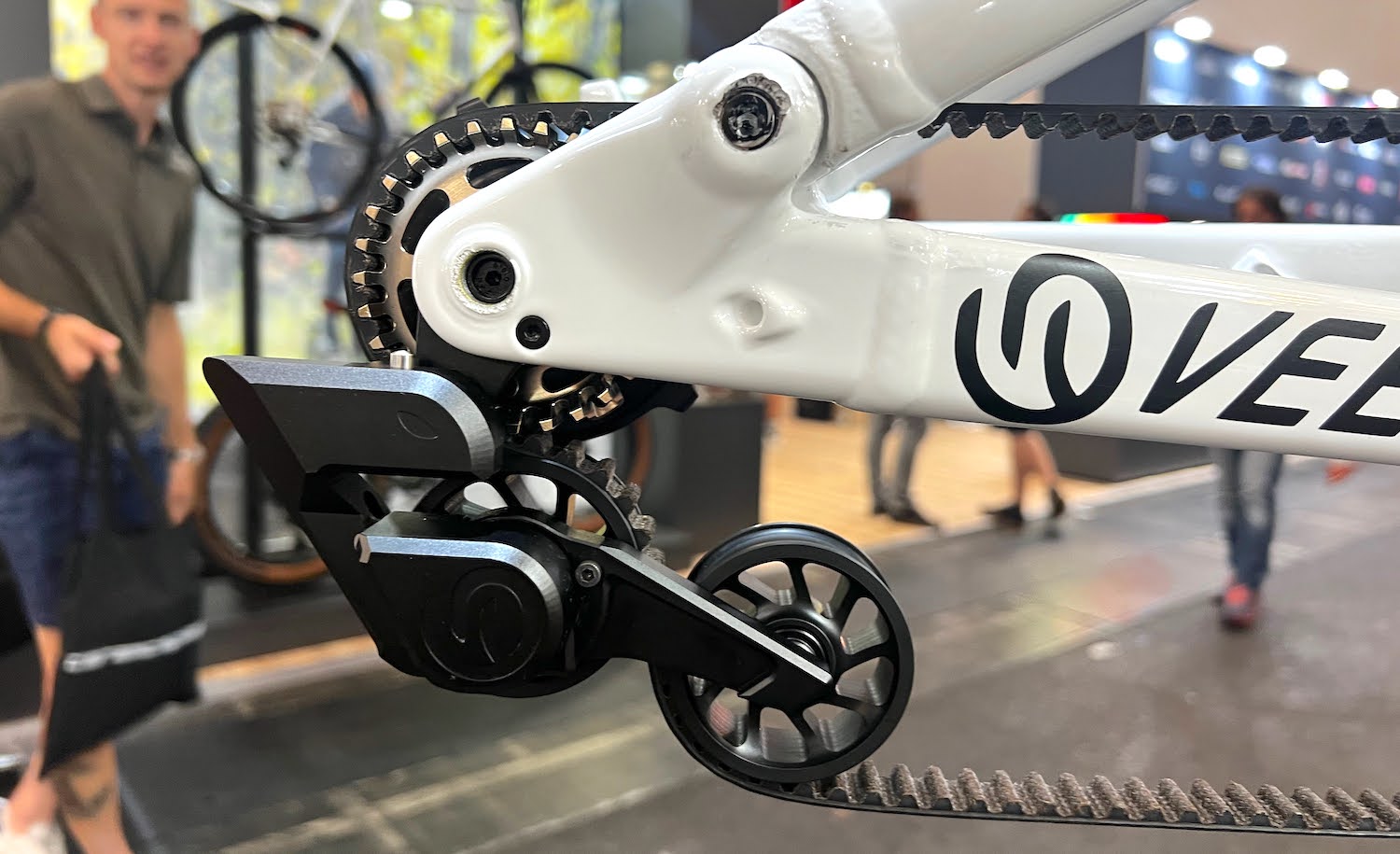
Veer was also showing a small belt tensioner and a super crazy two-speed sprocket concept (it’s worth seeing it change gears on my Instagram).
Advanced Belt Drivetrains
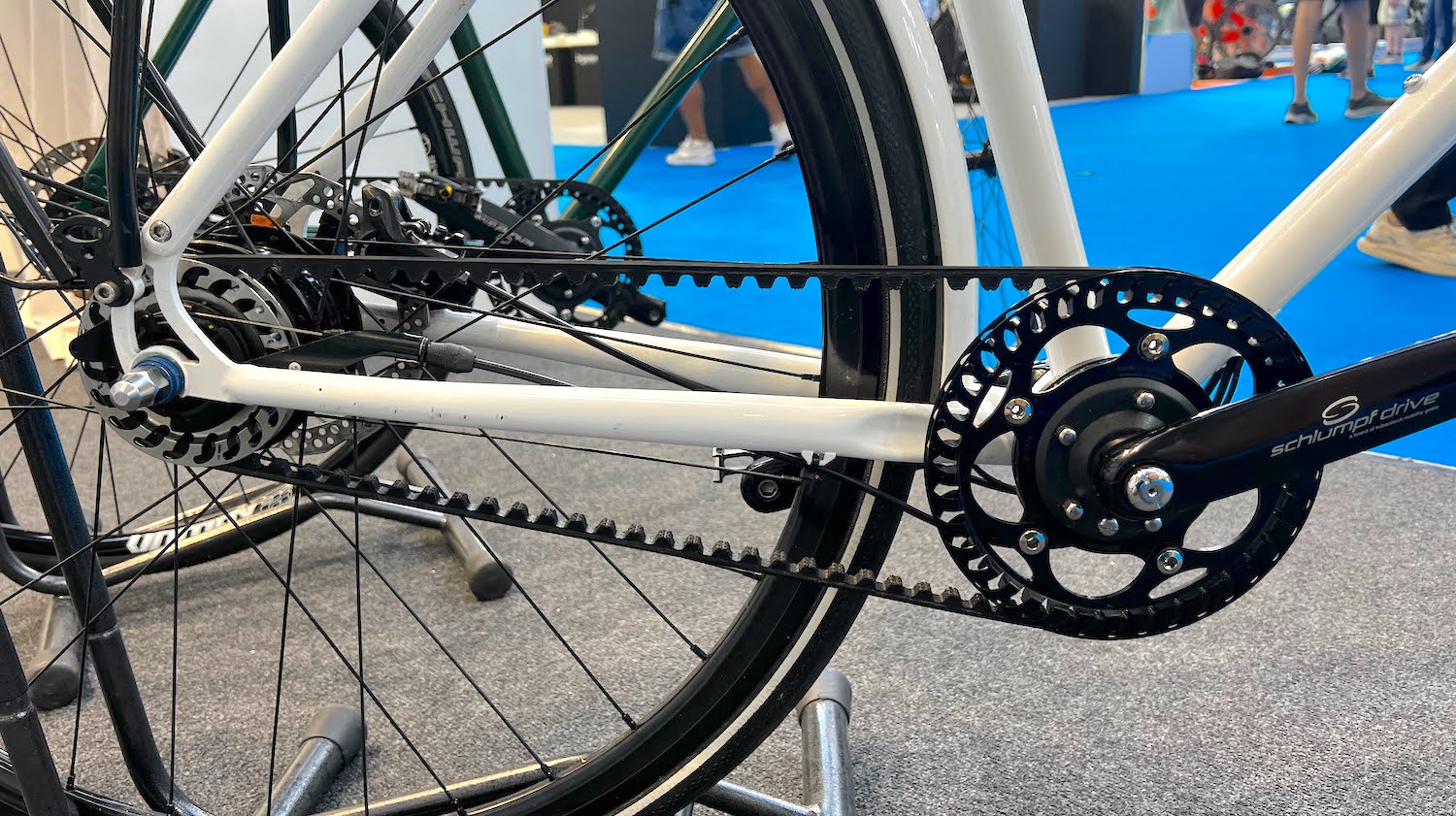
Advanced claims its belt drivetrains match Gates in durability, all-weather performance, eBike compatibility, and quiet, efficient operation. They’re designed to work seamlessly with all major internal gear hub systems, like Shimano and Rohloff, as well as standard HG cassette bodies.
This was my first time getting hands-on with the Advanced belts, and I was genuinely impressed. On the bike, they felt virtually indistinguishable from the Gates systems I’ve ridden for years.
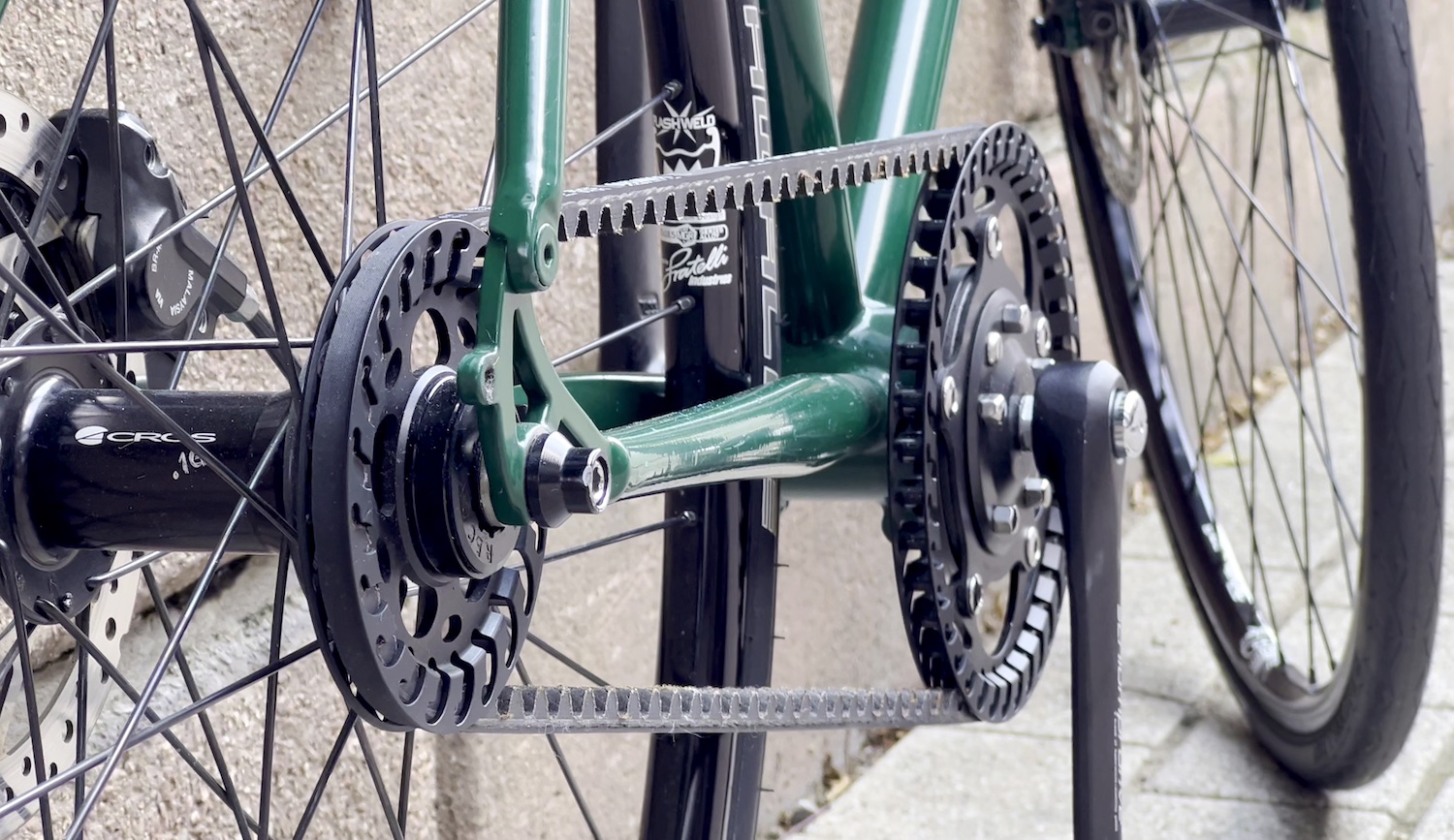
According to Advanced, its key advantage over Gates is the ability to run its belts at lower tension. Its system is designed to tolerate more lateral frame flex, which means the rear triangle doesn’t need to be engineered to be ultra-stiff.
This added flexibility opens the door for belt drivetrains to be used on a wider range of bike designs, including frames that aren’t as rigid or that prioritise comfort and compliance over absolute stiffness. In short, it could make belt drive compatibility more accessible across the industry.
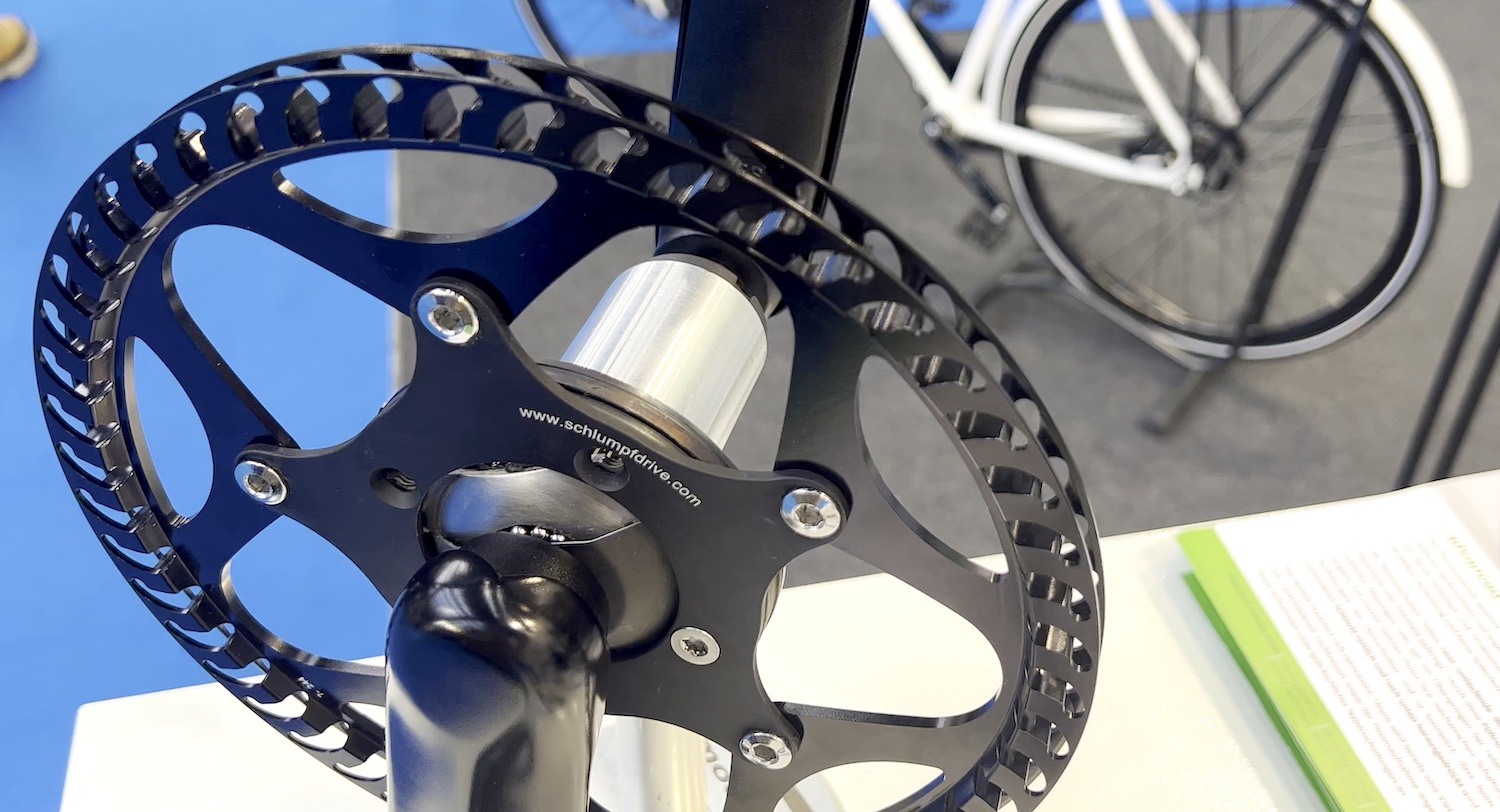
When I asked why Advanced belt drivetrains aren’t more widely used, the representative explained that the company is still relatively small and directs most of its marketing efforts toward promoting its Schlumpf Drive two-speed planetary cranksets.
If their belt system truly performs on par with Gates, as my test ride suggests, it seems like a missed opportunity. With the growing shift toward internal gear hubs and gearboxes, demand for high-quality belt drivetrains is only increasing, and Advanced could be well-positioned to capture more of that market with a stronger push.
Summary
With the rise of eBikes and the increasing use of internal gear hubs and gearboxes, belt drivetrain development is accelerating rapidly. At this year’s Eurobike, there were more belt drive systems on display than ever before, signalling a shift toward broader adoption.
Brands like Hutchison, Optibelt, Veer and Advanced are introducing belt systems that show real promise. They may not yet have the track record of Gates, but some of their innovations could challenge the status quo in the coming years. Whether they can match or even surpass Gates’ performance and durability remains to be seen.
Gates has dominated the belt drive space for over a decade, and their CDX system continues to be a benchmark for quality. But the arrival of new competitors is an exciting development, one that’s likely to drive even more innovation, variety, and accessibility in the world of bicycle belt drivetrains.


