
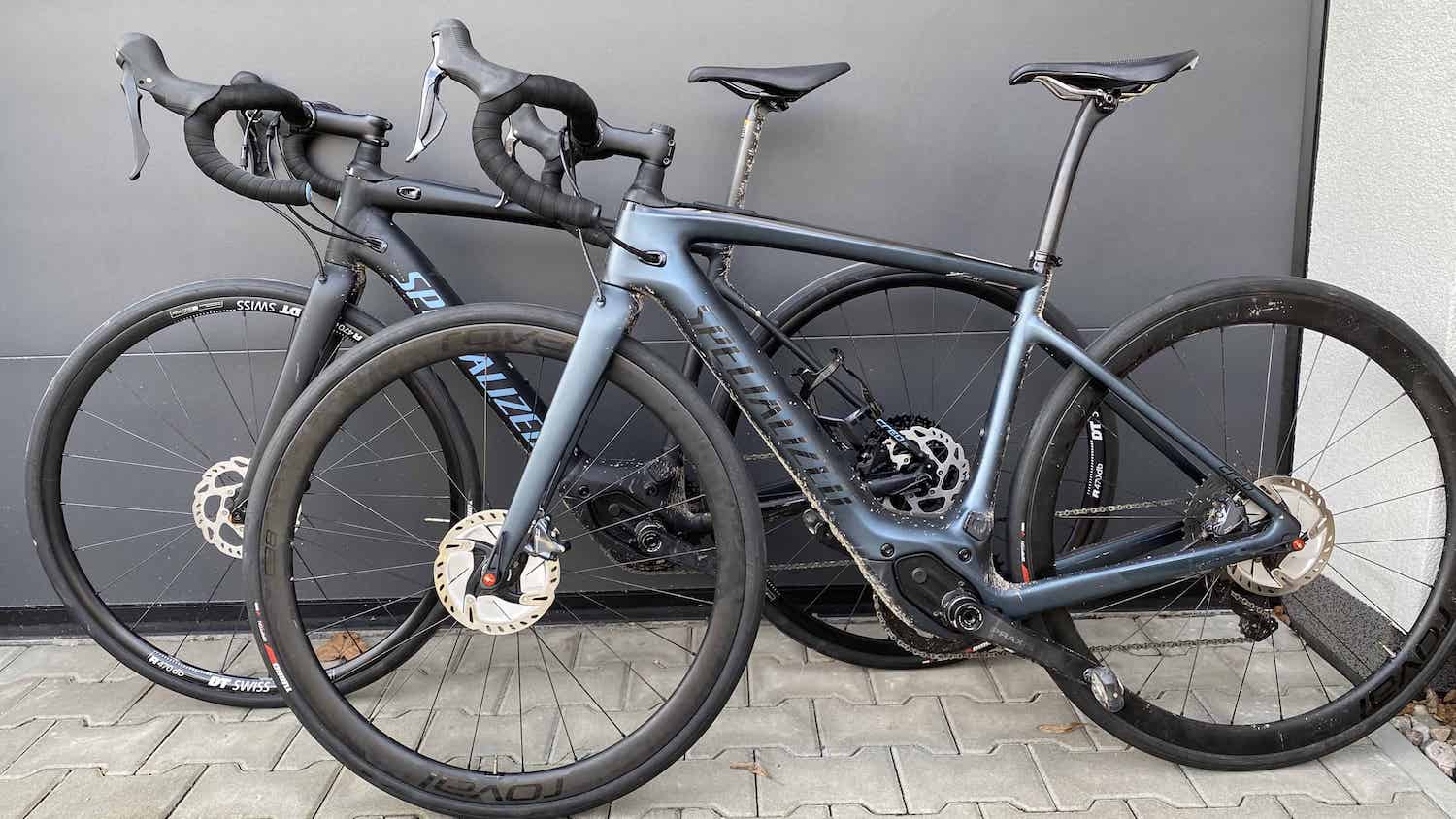

Testing an electric gravel bike has been one of my biggest goals, so I was genuinely excited to get my hands on one of the best options on the market, the Specialized Turbo Creo.
What made it even better? I had the chance to test both the high-end carbon model and the more affordable aluminium version.
So, how do these bikes perform in the real world? Let’s dive in and find out.
Advantages of Gravel eBikes
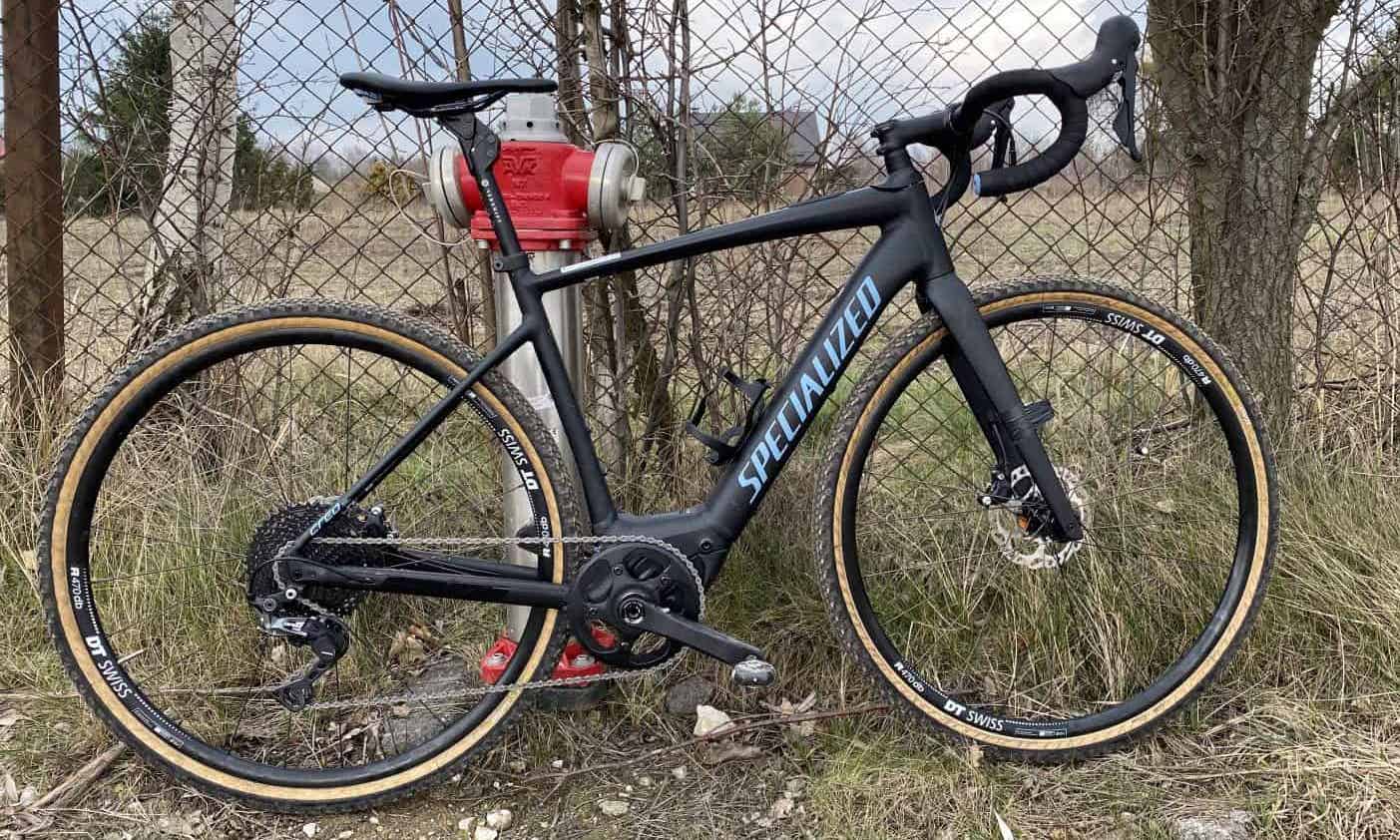
I follow the gravel eBike market with great interest because I genuinely believe these bikes offer a wide range of advantages.
You can ride to work with motor support and pedal home without it for a proper workout. You can tackle steep, hilly forest roads with ease and enjoy a faster, more efficient ride overall. The motor helps overcome the added weight of comfort-oriented components and even offsets the rolling resistance of wider tires. In short, it lets you explore more of the world with less effort and more fun.
That was the mindset I had when I first started riding these electric gravel bikes from Specialized. And for the most part, I was right.
Riding An Electric Gravel Bike
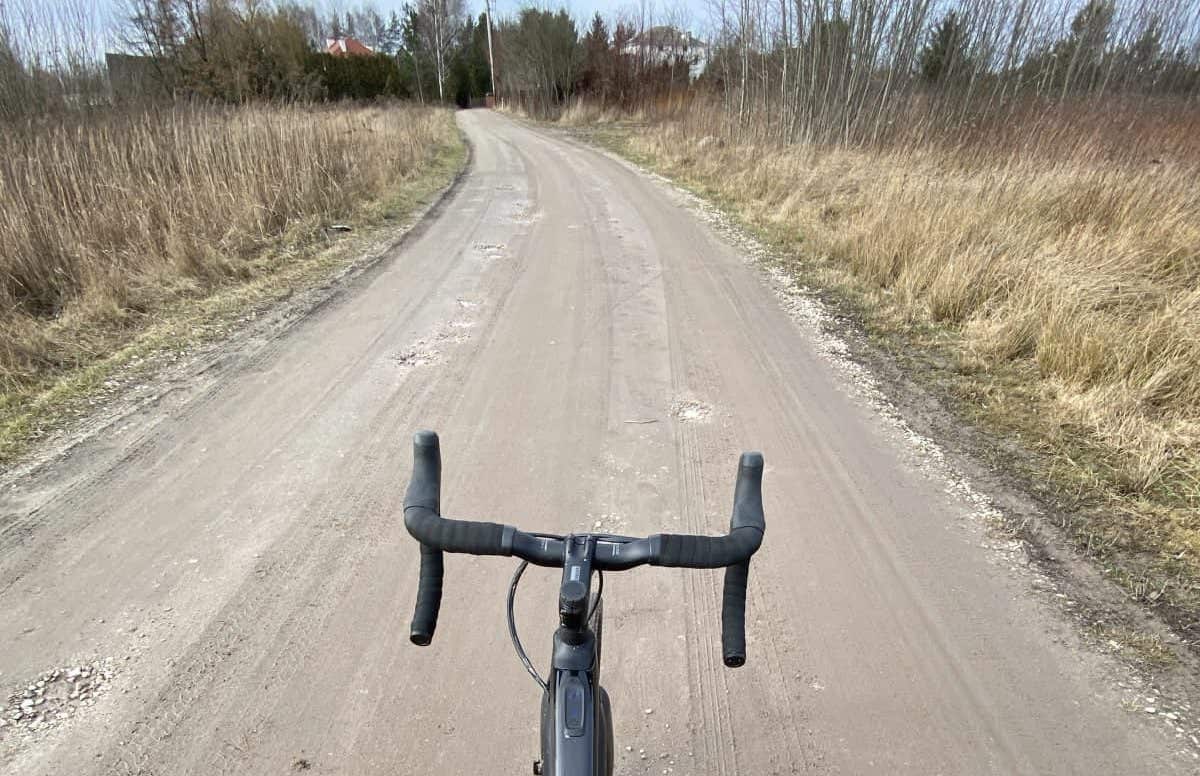
If I had to sum up the experience of riding an electric gravel bike in one word, it would be: wonderful. But at the same time, it’s also limiting – let me explain.
The Specialized Turbo Creo isn’t the most powerful e-gravel bike on the market. Specialized claims it delivers “twice your power” (that’s 240 watts), but in practice, it’s more than enough to transform a ride from merely enjoyable to downright magical.
What’s most captivating is the way it accelerates with almost surreal intensity. You brake, you corner, and then you launch forward. That burst of speed grabs your full attention, and it’s exhilarating. The acceleration is what makes riding these bikes so addictive.
I quickly found myself hooked on pushing my limits, especially on tight, twisting forest trails. But as much as I loved it, the experience comes with two limitations.
First, the legal speed limit.
In Poland, electric assist cuts out at 25 km/h. You hit that cap quickly, and once you do, it feels like someone flipped off the fun switch. It’s a bit like telling a three-year-old their cartoon time is over; you can almost hear the protest.
Second, the motor behaviour itself.
Before trying the Creo, I had experience with Bosch and Yamaha systems. My biggest gripe with those is their lag: they’re slow to engage when you start pedalling, and worse, they’re slow to disengage when you stop. Bosch keeps improving its response times with every generation, but we’re not yet at that elusive point of truly seamless integration.
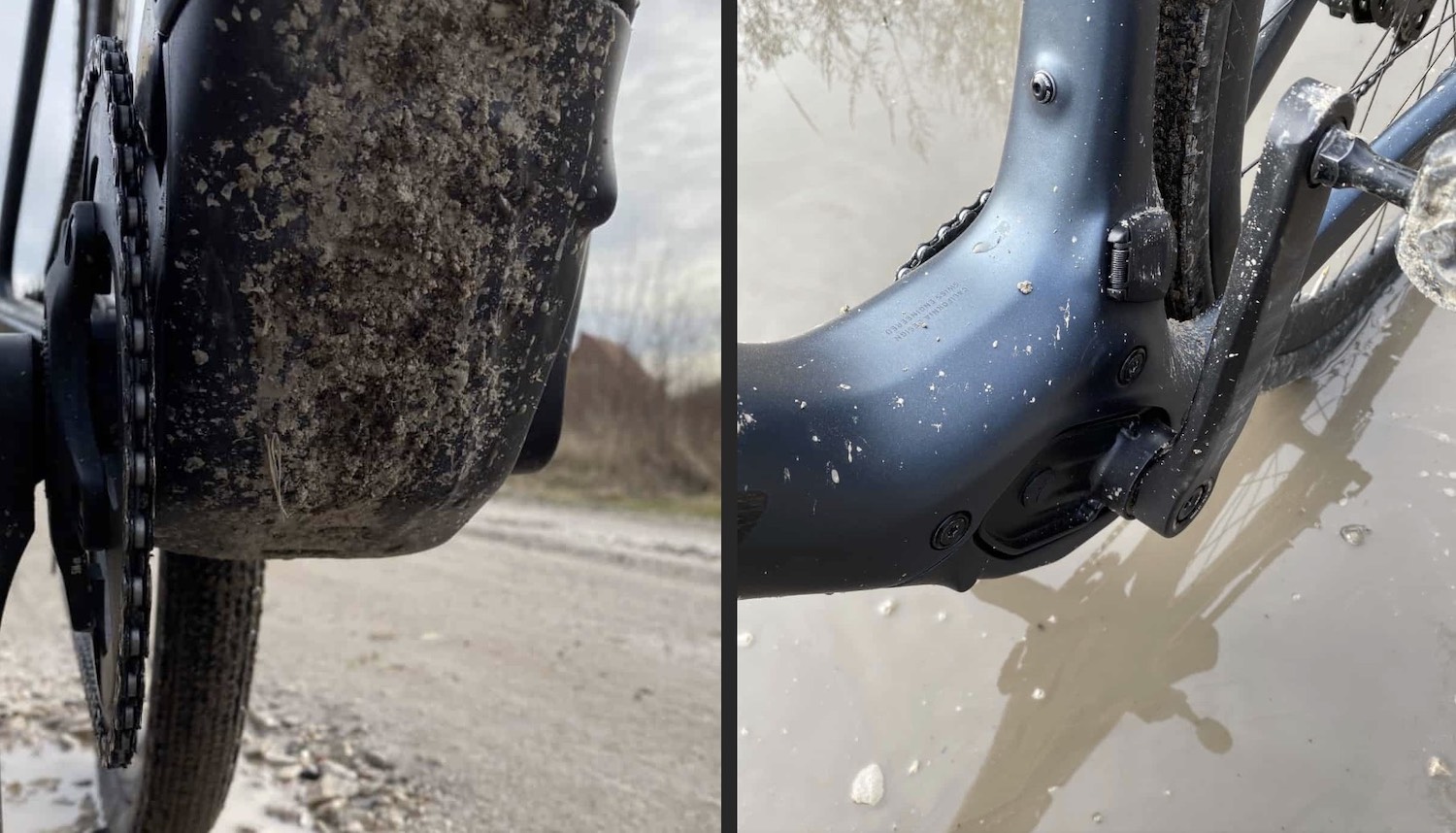
The Specialized motor isn’t perfect either. When starting from a standstill, it takes two or three crank rotations before the motor really kicks in. For those first few seconds, it feels like you’re fighting against the motor instead of working with it.
Like most systems, the motor is optimised for a cadence around 80 RPM. Drop below 60 or go over 100, and things start to feel clunky. So it’s worth downshifting before you stop to help you return to that ideal cadence as quickly as possible.
Acceleration from a slow roll is less of an issue since you’re already spinning faster, but stopping still presents a quirk: the motor keeps pushing for a moment after you’ve stopped pedalling. It’s brief, but noticeable, like a small ‘kick’. In my view, this is one of the biggest challenges left for eBike motor developers.
To better illustrate this, I’ve included a short video – check it out to see what I mean.
Levels of Motor Support & Battery Range
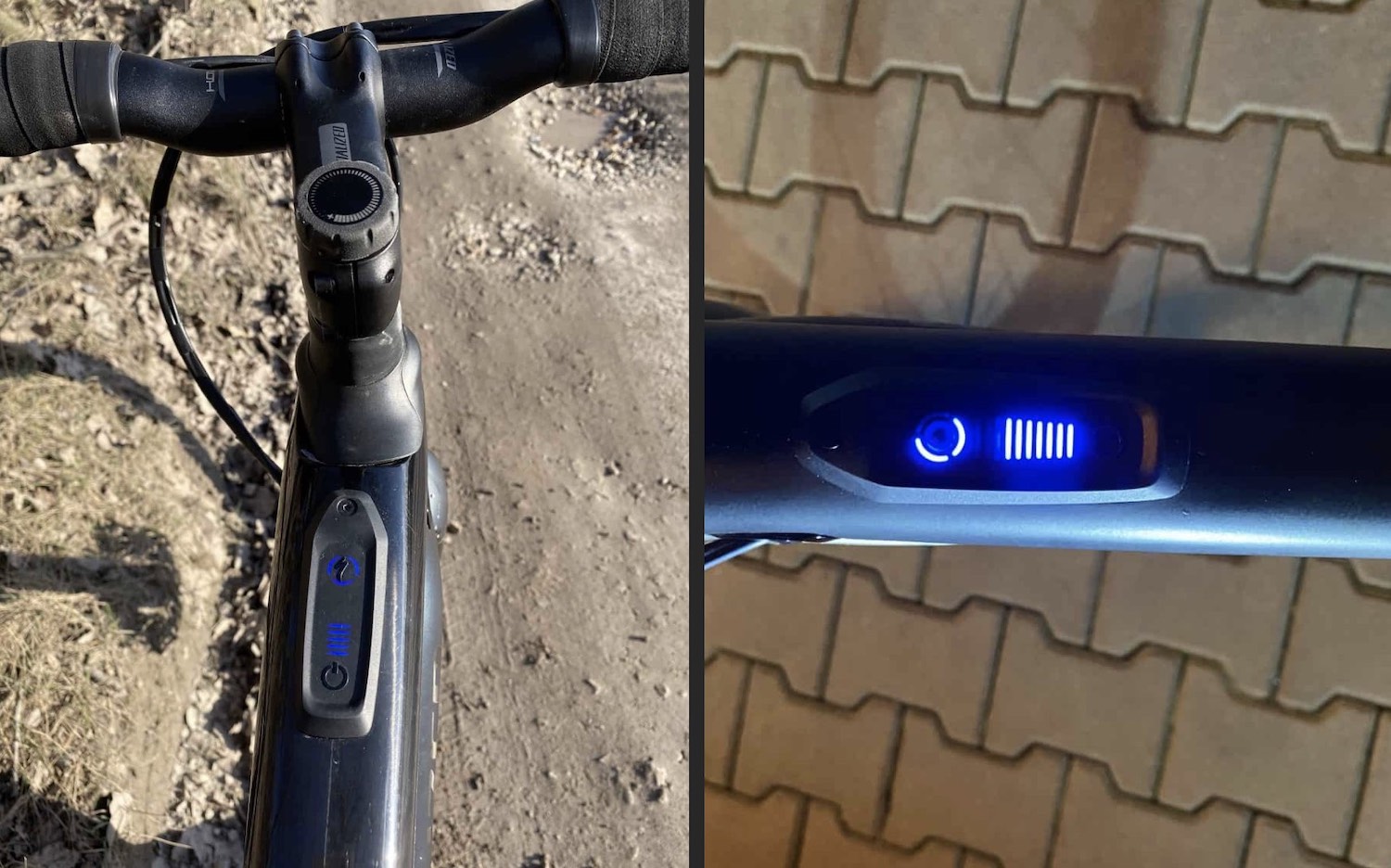
Support levels are controlled via sleek, well-integrated buttons on the top tube. There are four levels in total, but I found the first two to be pretty underwhelming.
If I were in the mood for a proper workout, I’d just turn the assistance off entirely. But when I wanted an easier ride without breaking a sweat, I always relied on the two higher support modes – they delivered the real performance.
Unfortunately, I didn’t get the chance to completely drain the battery – the weather simply didn’t allow for long-distance rides. Still, in Turbo mode, I was regularly getting over 50 km (31 mi) on my usual routes. Of course, real-world range varies a lot depending on terrain, riding style, and conditions, so it’s tough to pin down exact numbers.
If you’re worried about running out of juice, there’s an optional range extender that fits in a bottle cage. According to Specialized, it adds up to 64 km (40 mi) of additional range.
Typically, I’d be cautious about taking an e-bike out in the rain, but Specialized assured me the Turbo Creo is well-sealed and fully capable of handling wet conditions without issue.
One minor downside is the motor noise. The Turbo Creo isn’t the quietest out there, and at lower speeds, the hum of the motor is quite noticeable. It’s not a dealbreaker, but worth being aware of if you’re sensitive to sound.
How Does The Turbo Creo Ride?
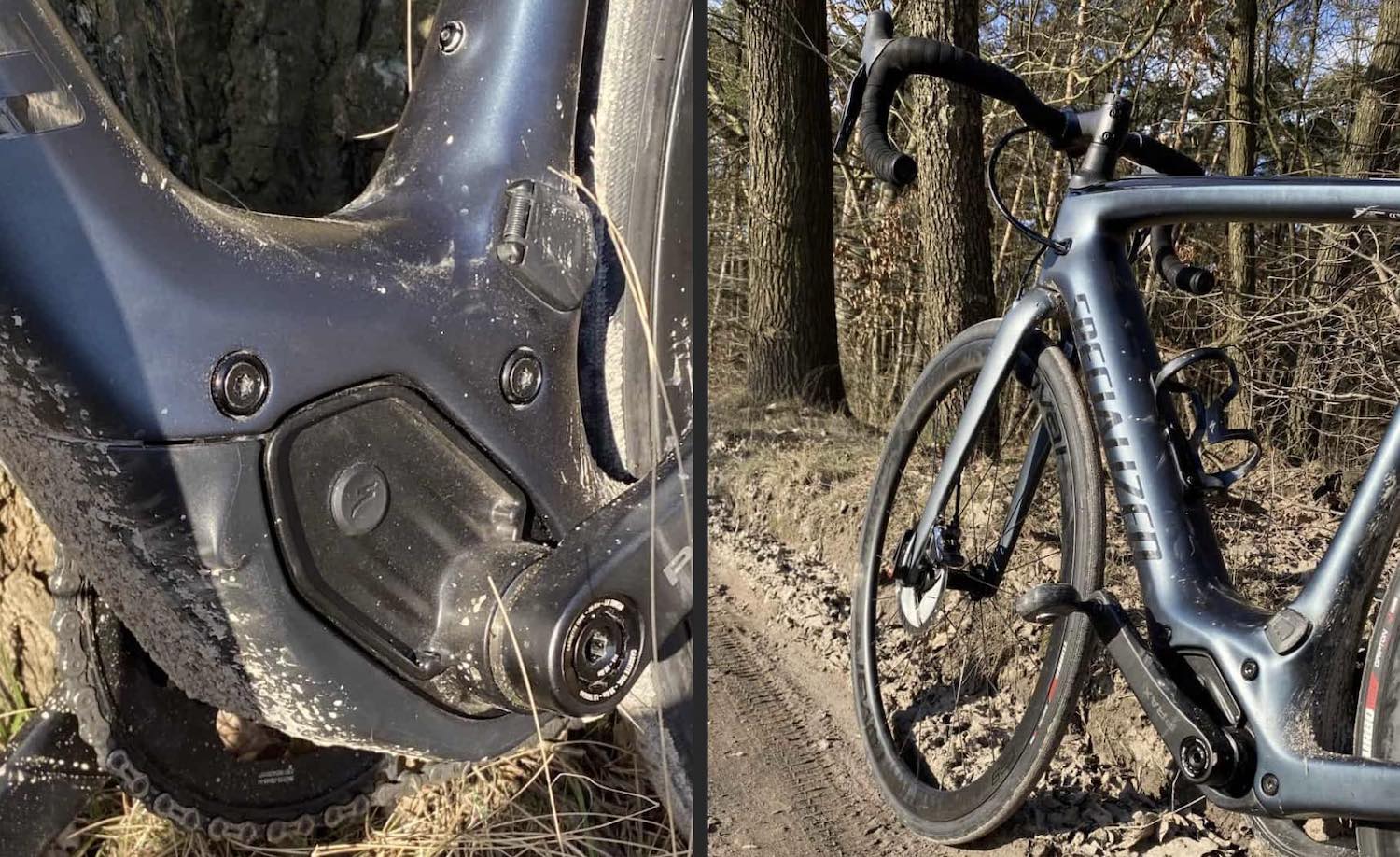
In a word: beautifully.
I’ve previously reviewed the Specialized Diverge and really enjoyed it, but I genuinely believe Specialized has perfected the geometry with the Creo. It’s a big part of what makes this bike feel so special.
Compared to the Diverge, the Creo has less bottom bracket drop (78mm vs. 85mm) and a slightly longer chainstay (426mm vs. 421mm). These subtle tweaks make a noticeable difference. The bike feels planted and stable when flying down tight forest trails, yet it still manages to be quick and agile when weaving through corners or picking up speed.
I tested both a large aluminium Creo and a medium carbon model, and surprisingly, the large alloy version felt just as responsive. It was maybe a touch slower to change direction, understandable given the longer frame, but I actually preferred it overall. The reduced saddle-to-handlebar drop on the large made it more comfortable on longer rides, and if I had to choose between the two, I’d go with the large every time.
Vibration Testing The Specialized Turbo Creo SL
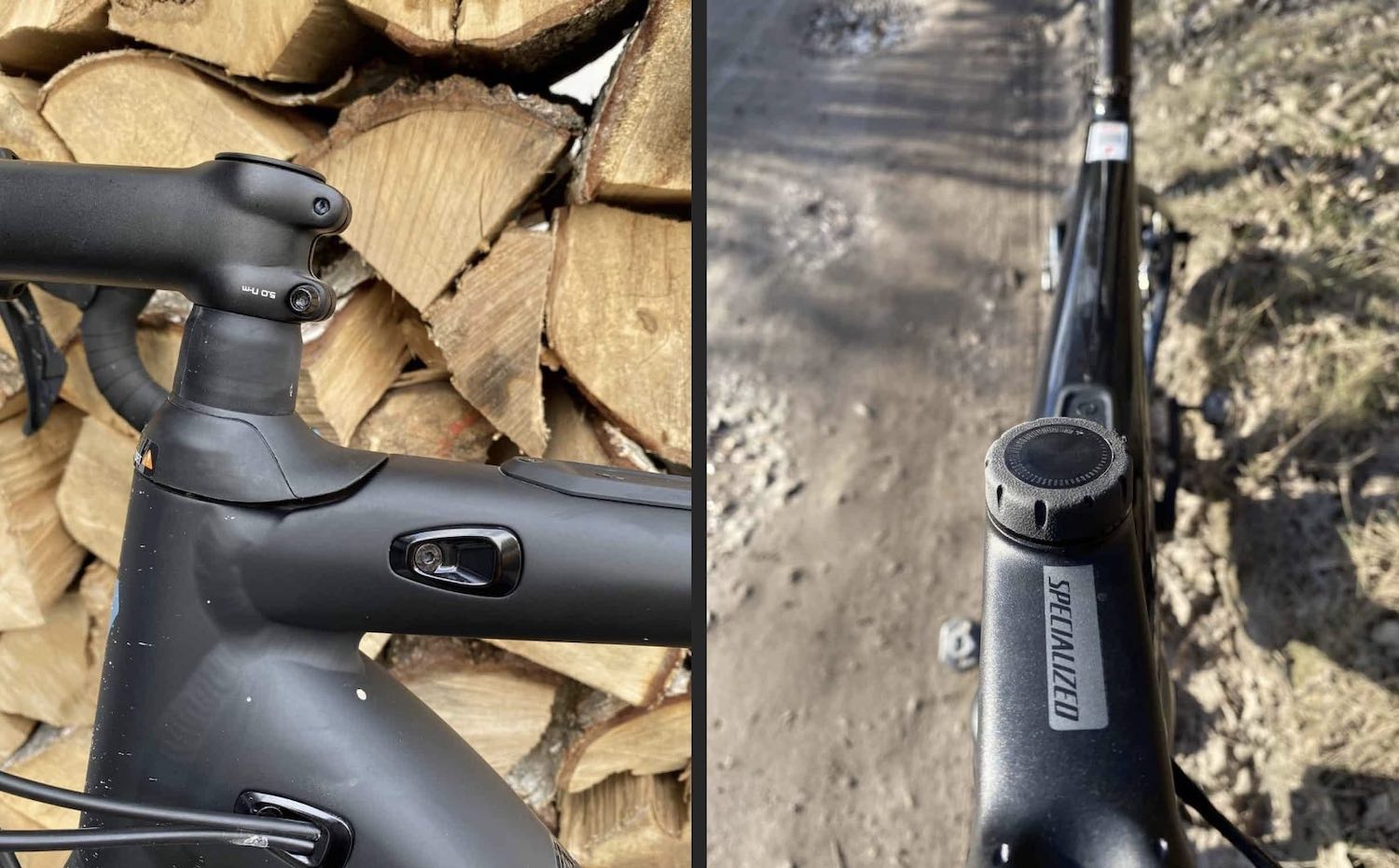
This was my favourite part of the review, as I had the chance to test both the carbon and aluminium versions of the Turbo Creo in terms of vibration damping.
Specialized equips both models with its highly effective Future Shock front suspension system. In my previous vibration tests, this setup has consistently proven to be the most effective damper available on any gravel bike.
The carbon model comes with the more advanced Future Shock 2.0, which allows for adjustable damping via a dial on the stem. The aluminium version, on the other hand, features the Future Shock 1.0, the same system used in the current Diverge lineup. While it’s not quite as refined or adjustable, it still offers a noticeable improvement in comfort, especially on rough terrain.
I will be comparing the front and rear vibrations of these eBikes to my Jamis Renegade. This bike is fitted with lots of comfort-improving components such as a Lauf Grit SL suspension fork, Redshift ShockStop suspension stem, Ergon Allroad Pro seatpost, and a Brooks C17 saddle. The tires are Soma Cazadero 700C x 42 mm running at 25 psi.
You can see my vibration measurement procedure & outdoor test courses HERE.
Vibration Test Results
Bumpy Forest Trail
| Acceleration (m/s²) | Vibrations When Compared to the Jamis | |
| Jamis Renegade – Front | 5.3 | – |
| Specialized Creo – Front | 5.0 | 5.7% Fewer Vibrations |
| Jamis Renegade – Rear | 2.4 | – |
| Specialized Creo – Rear | 2.6 | 8.3% More Vibrations |
Fast Gravel Road
| Acceleration (m/s²) | Vibrations When Compared to the Jamis | |
| Jamis Renegade – Front | 11.2 | – |
| Specialized Creo – Front | 9.0 | 19.6% Fewer Vibrations |
| Jamis Renegade – Rear | 2.7 | – |
| Specialized Creo – Rear | 2.8 | 3.7% More Vibrations |
As you can see, the Future Shock continues to be the best option for damping vibrations at the front of the bike. Even with a suspension fork, suspension stem, and wider tires, my Jamis Renegade still has around 6% more vibrations at the brake hoods on the bumpy forest trail.
It gets even worse on the fast gravel road. The difference between the Future Shock and my benchmark bike is a whopping 20%. That is almost unbelievable!
The rear was a different story. The seatpost and saddle on the Specialized Turbo Creo bikes were approximately 4 to 8% behind my Jamis Renegade in terms of vibration attenuation.

I also wanted to find out the vibration differences between the aluminium and carbon Specialized Turbo Creo bikes.
For this test, I changed the tires to Specialized 700C x 28 mm road slicks and pumped them up to 60 psi. This minimises the damping effect of the tires almost entirely and allows us to see what the other components can do.
Bumpy Forest Trail
| Acceleration (m/s²) | Vibrations When Compared to the Specialized Alu | |
| Specialized Alu – Front | 6.8 | – |
| Specialized Car – Front | 6.4 | 5.9% Fewer Vibrations |
| Specialized Alu – Rear | 3.0 | – |
| Specialized Car – Rear | 3.0 | Same Result |
Fast Gravel Road
| Acceleration (m/s²) | Vibrations When Compared to the Specialized Alu | |
| Specialized Alu – Front | 14.2 | – |
| Specialized Car – Front | 12.6 | 11.3% Fewer Vibrations |
| Specialized Alu – Rear | 3.2 | – |
| Specialized Car – Rear | 3.2 | Same Result |
The Future Shock 2.0 upgrade definitely made the carbon bike more comfortable with high-pressure tires. It was damping 6% more vibrations on the bumpy forest trail and 11% more on the fast gravel road.
But keep in mind, you will likely not be using road slicks on gravel roads! When you use Soma Cazadero 42mm gravel tires at appropriately low pressure, I can guarantee you will not notice any comfort difference between the two Future Shocks.
A benefit of the Future Shock 2.0 is that it’s a bit quieter – you can sometimes hear the 1.0 clicking as it moves. You can also adjust the compression of the suspension using a dial, but I honestly found little difference between middle settings – on or off was perfectly fine for me.
Both carbon and aluminium Creo bikes were equally comfortable at the rear on both test courses.
Specialized Turbo Creo Specs and Prices
The Specialized Turbo Creo was originally launched as a carbon-only model, and it came with a premium price tag. The version I tested costs US $9,500.
That price reflects not only the high-end components but also the years of R&D that went into creating this bike. Specialized has said this was their largest and most expensive bike project ever, and it shows.
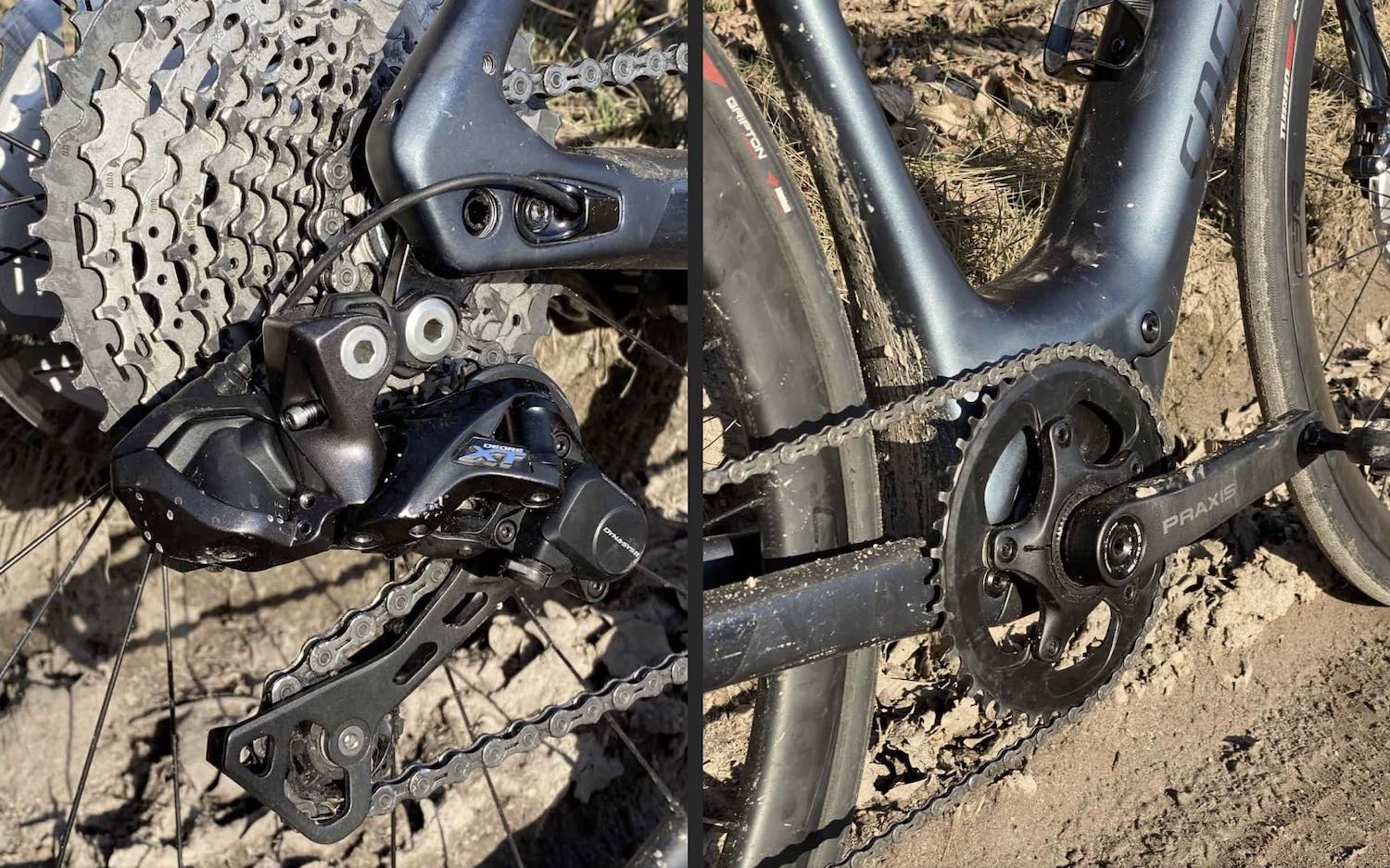
For $9,500, you get a top-tier build: Roval C38 carbon wheels and Shimano Ultegra Di2 electronic shifting. The Di2 performed flawlessly – fast, crisp, and reliable, even under heavy load with the motor adding up to 240 watts. It was genuinely a joy to use.
The gearing is also well-matched to the motor’s characteristics: a 1x setup with a 46-tooth Praxis chainring up front and an 11–42T cassette in the rear. That combination gives you plenty of range – fast enough for descents, and more than capable of climbing steep hills with motor assistance.
For those with a more reasonable budget, there’s the Turbo Creo SL Comp, which comes in at US $6,000. It features a Shimano GRX 812 groupset, which I also really enjoyed, especially after getting used to the larger, grippier levers.
If you ask me, the aluminium version’s spec is more than enough. It pairs beautifully with the motor and delivers a great ride without the ultra-premium price.
Would I Buy The Specialized Turbo Creo?
PROS
1. Future Shock performs well
2. Power delivery is smooth
3. Lightweight & Good range
CONS
1. Power could be more seamless
2. Not much suspension adjustment
3. Rear comfort could be better
I’m genuinely considering buying the aluminium Specialized Turbo Creo, though not as my only bike.
For faster rides above 25 km/h, I still prefer my Jamis Renegade, which feels more natural without the speed assist limit. But for commuting or tackling hilly terrain on weekends, the Turbo Creo would be ideal.
When fitted with Soma Cazadero 42mm tires, both the carbon and aluminium models feel equally smooth, and the measurable vibration differences virtually disappear. And if you add a Redshift ShockStop suspension seatpost, you could achieve a level of comfort that’s hard to match on any other gravel bike.
Overall, I thoroughly enjoyed riding the Specialized Turbo Creo and am excited to spend more time testing it.


